Big ideas
The ideas behind the tools, in plain words.
Short lessons from my training. Read one in five minutes. Then the guides make more sense.
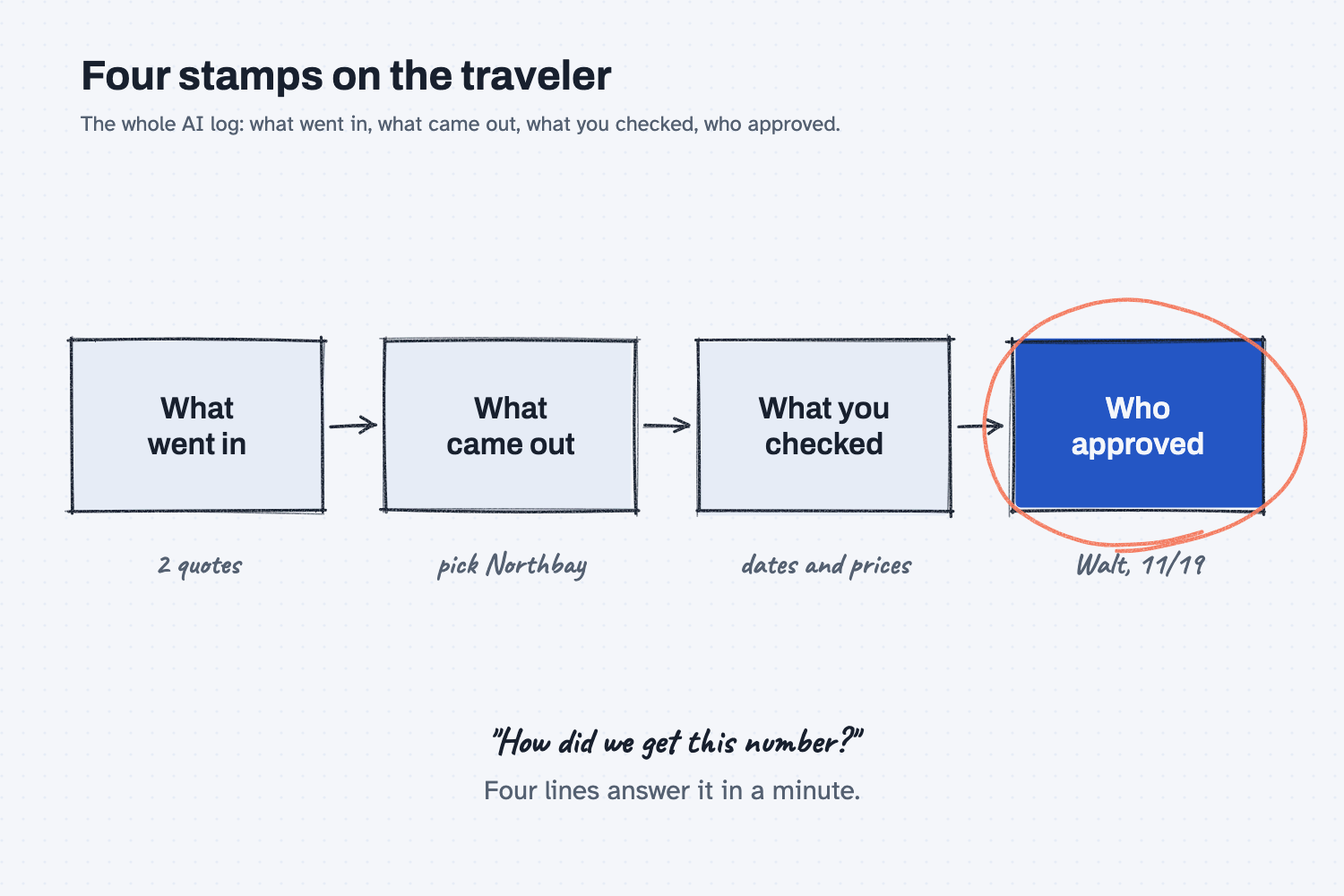
Keep a log of what AI did
Keep a short log of what went in, what came out, what you checked, and who approved it.
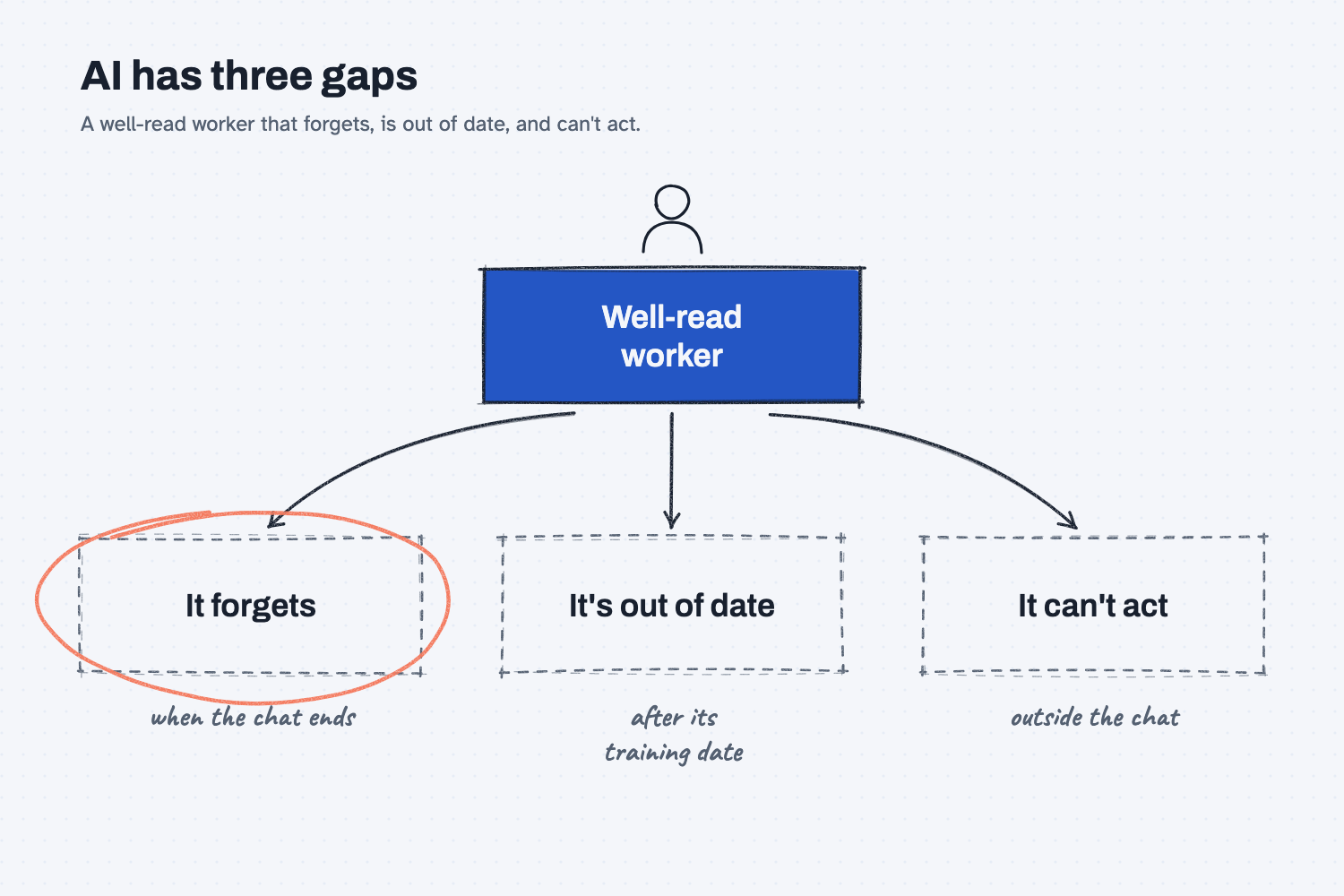
AI has three gaps
AI forgets, is out of date, and has no hands, so it helps to know which of the three gaps you hit.
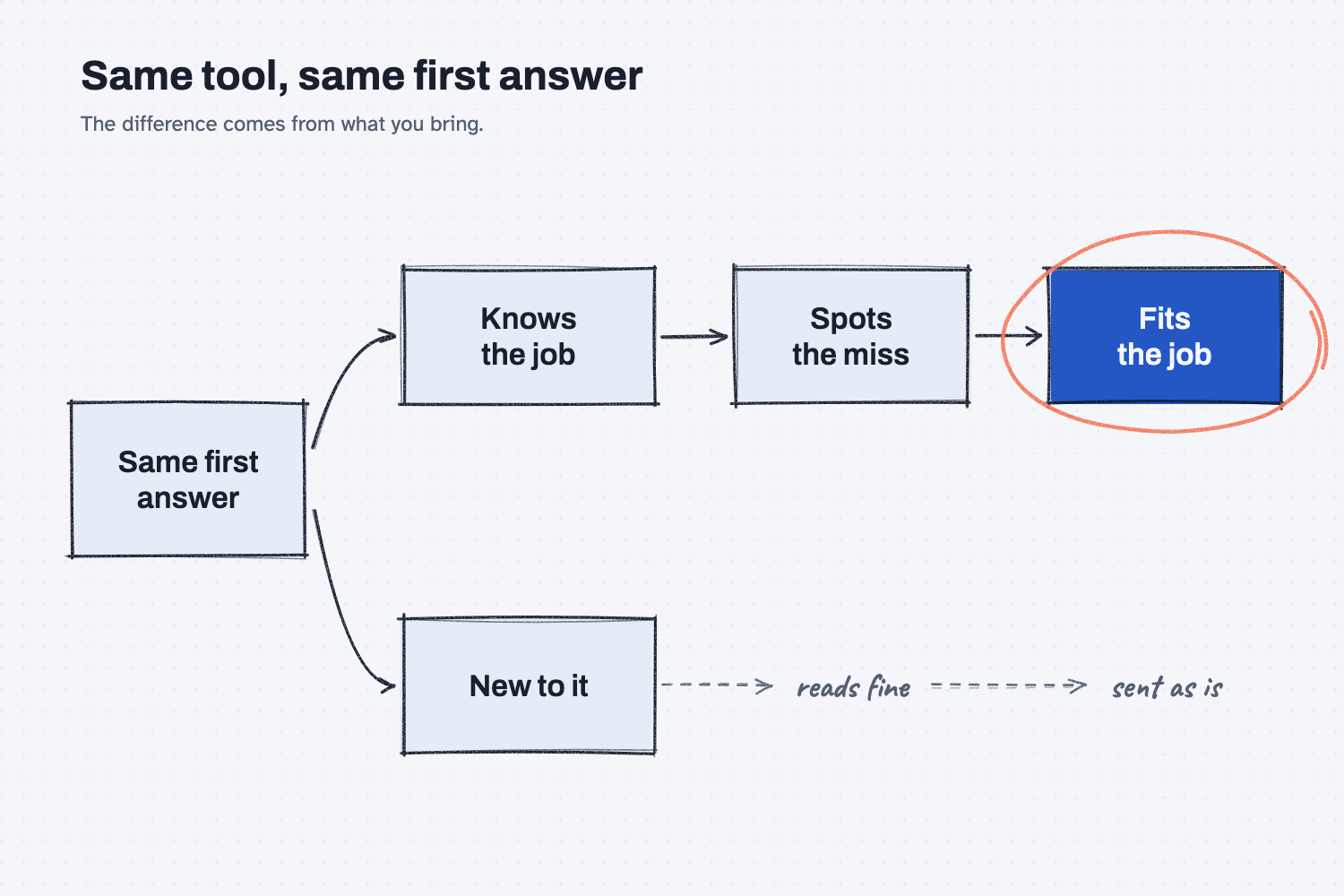
AI multiplies what you already know
Two people can get the same first answer from AI, and what you know about the work decides what you do with it.
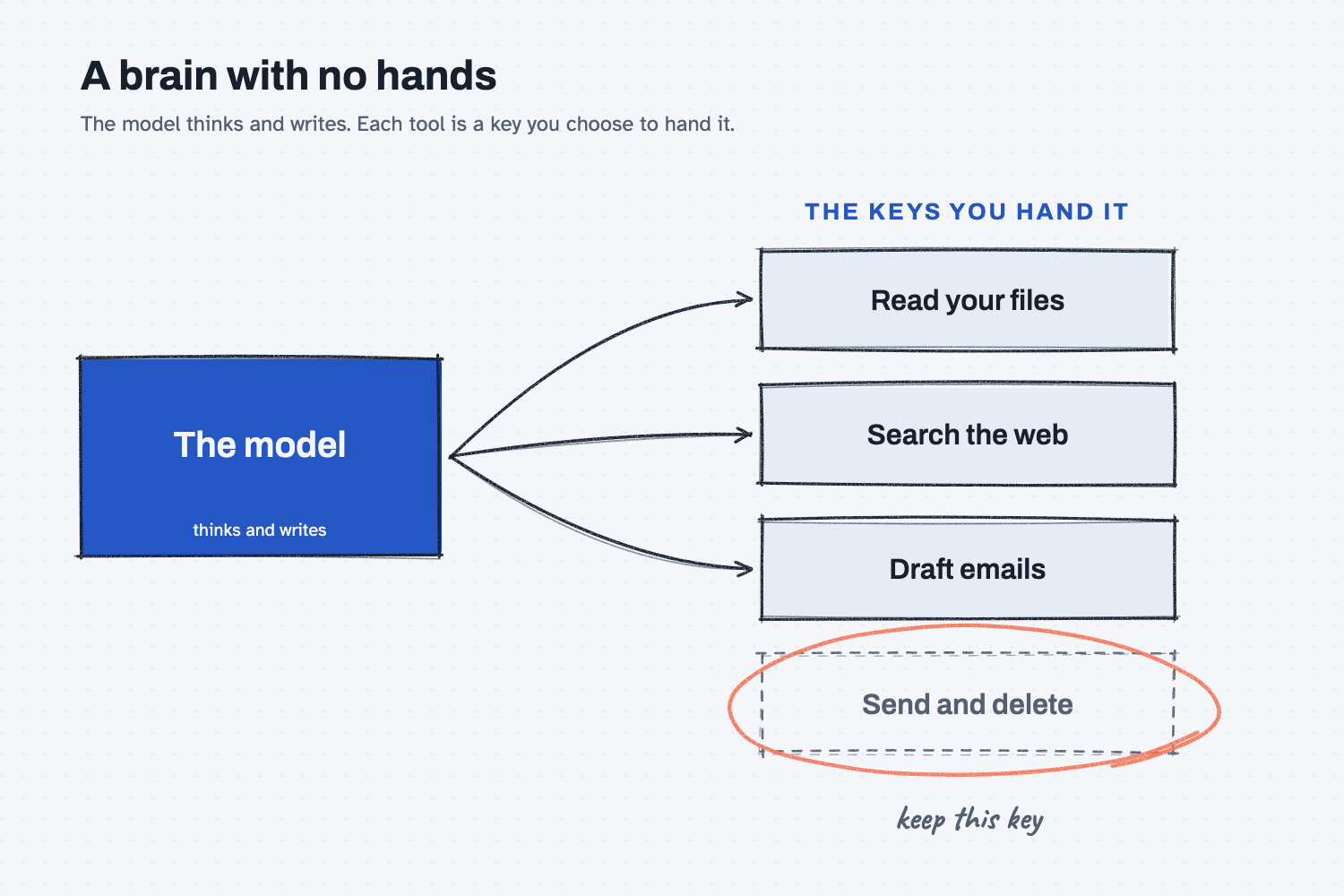
A brain with no hands
AI can only act through the tools you give it, so give it fewer keys and keep the risky ones for yourself.
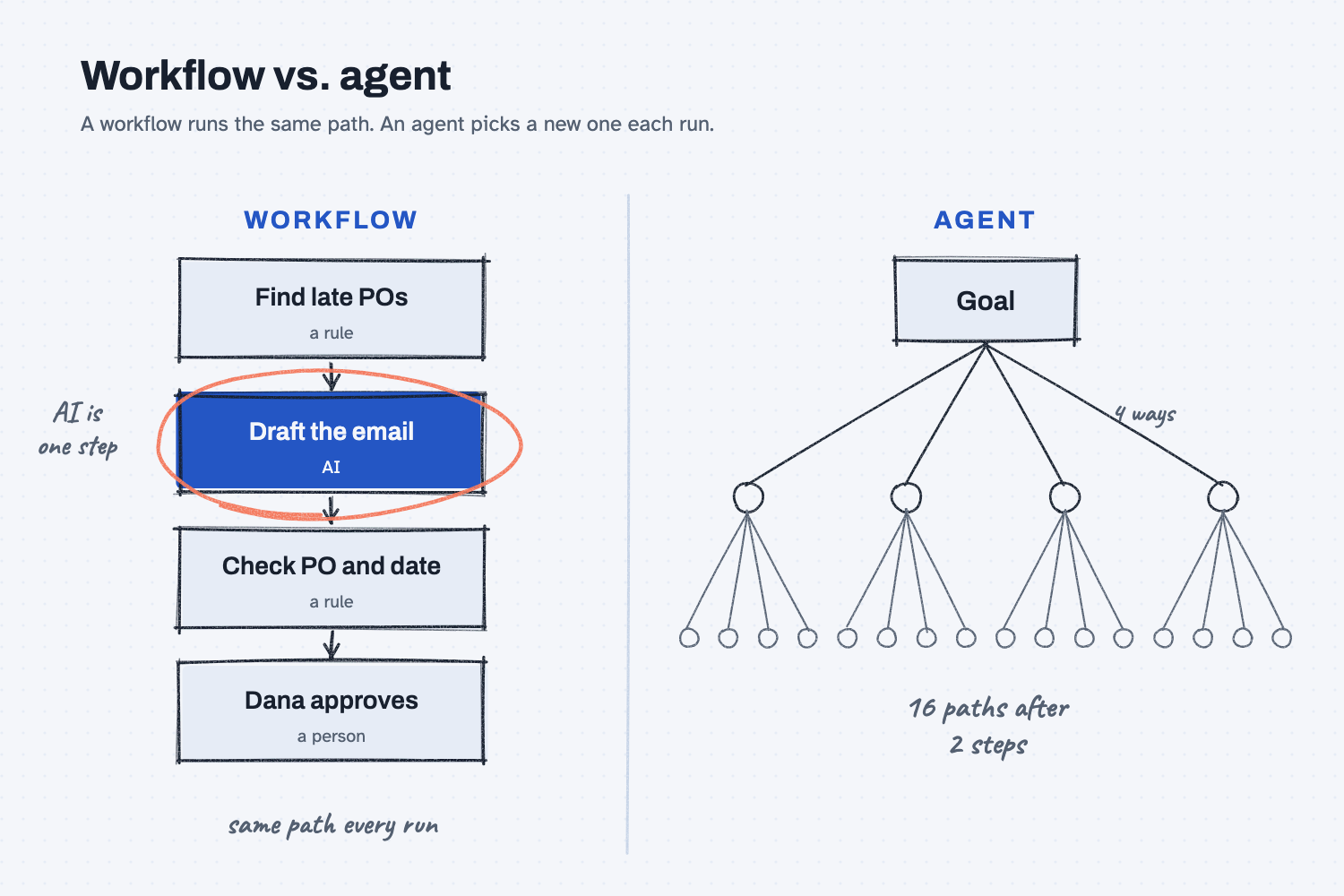
Same steps every time beats clever
For daily work you don't need variety, you need the same dependable result every time.
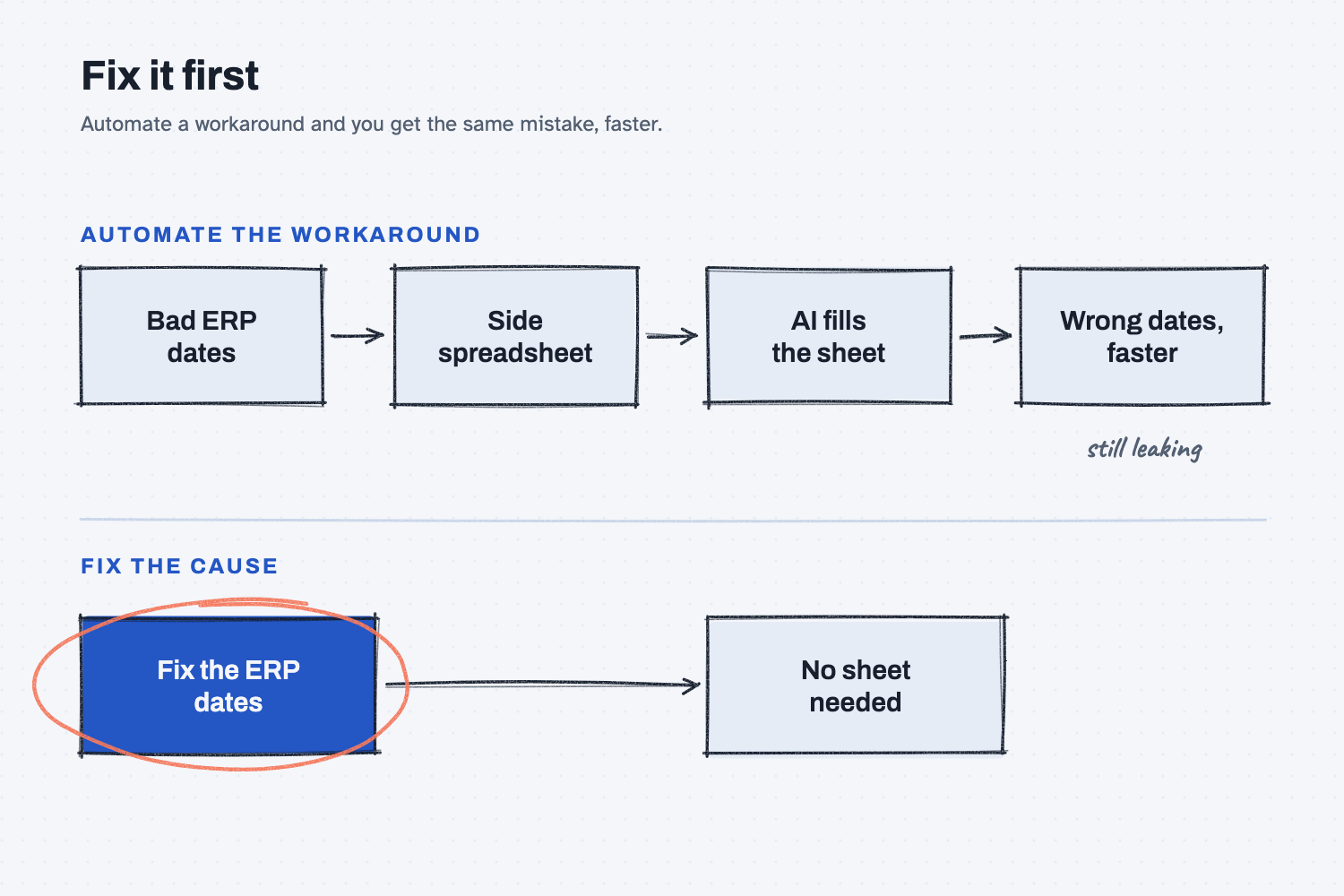
Don't automate a broken process
AI on a broken step makes the same mistake faster, so fix why the step exists before you automate it.
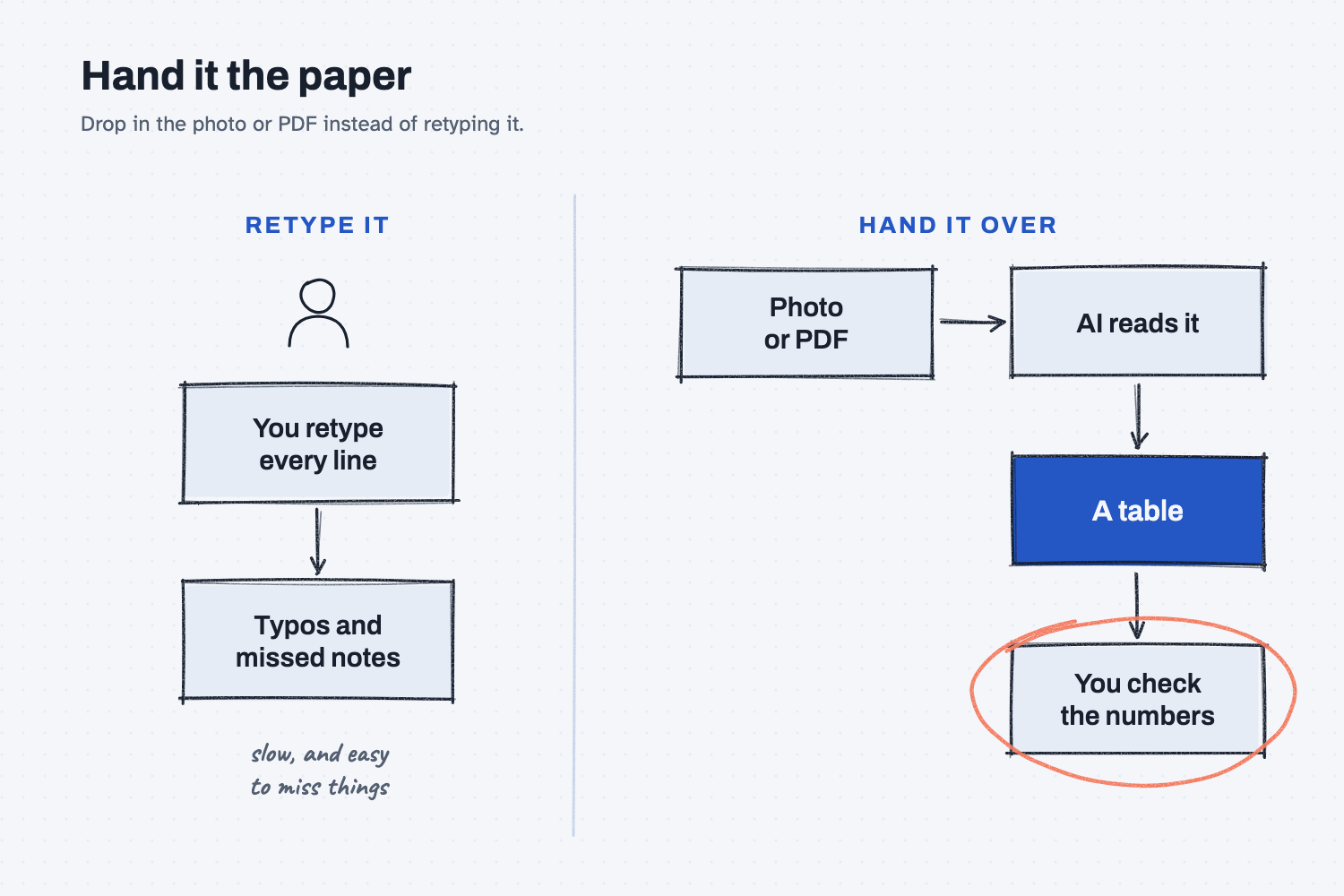
AI can read your screenshots and PDFs
Drop in the packing slip instead of retyping it, then ask for everything on the page.
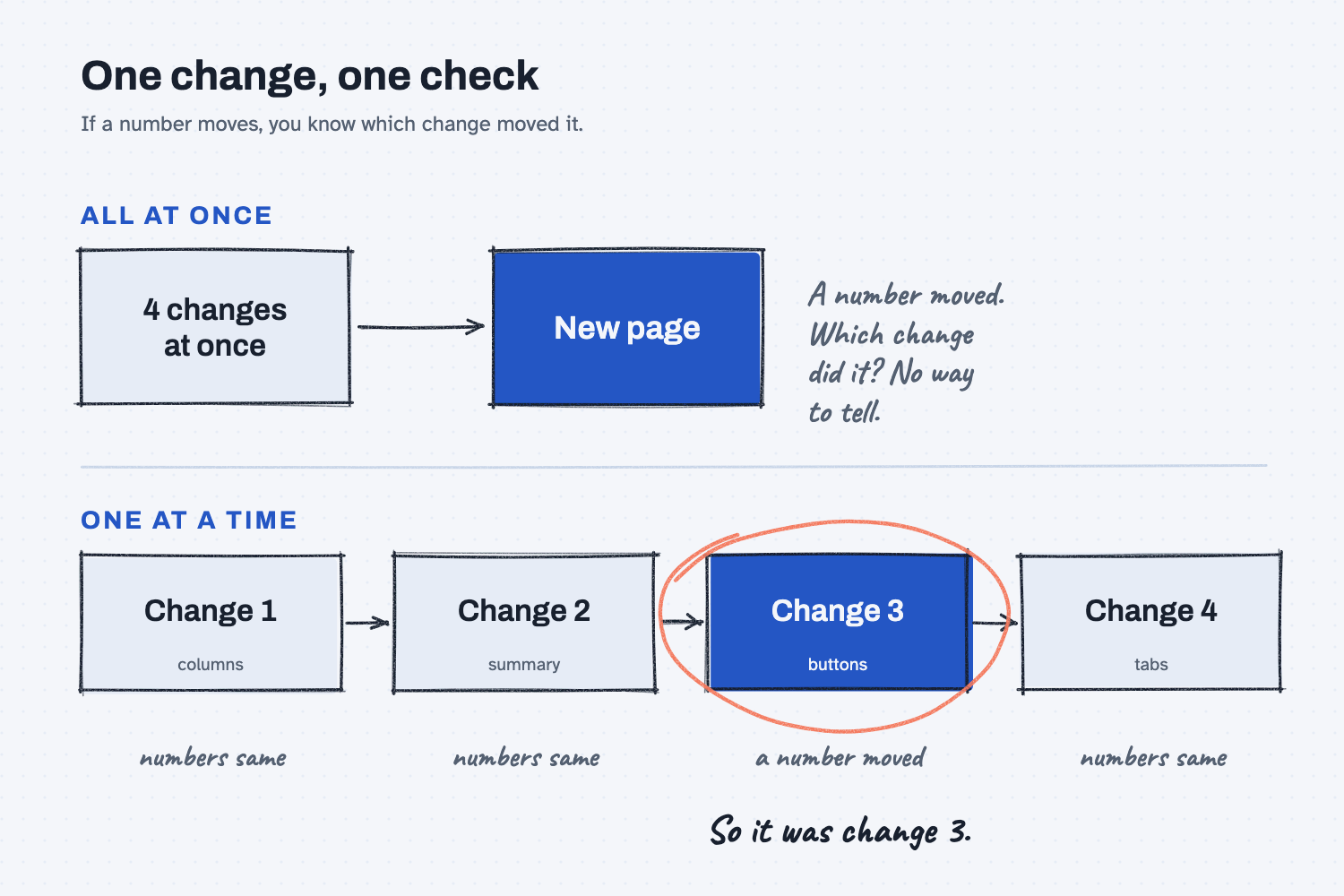
Change one thing, then check it
Ask for one change at a time, so when a number moves you know which change moved it.
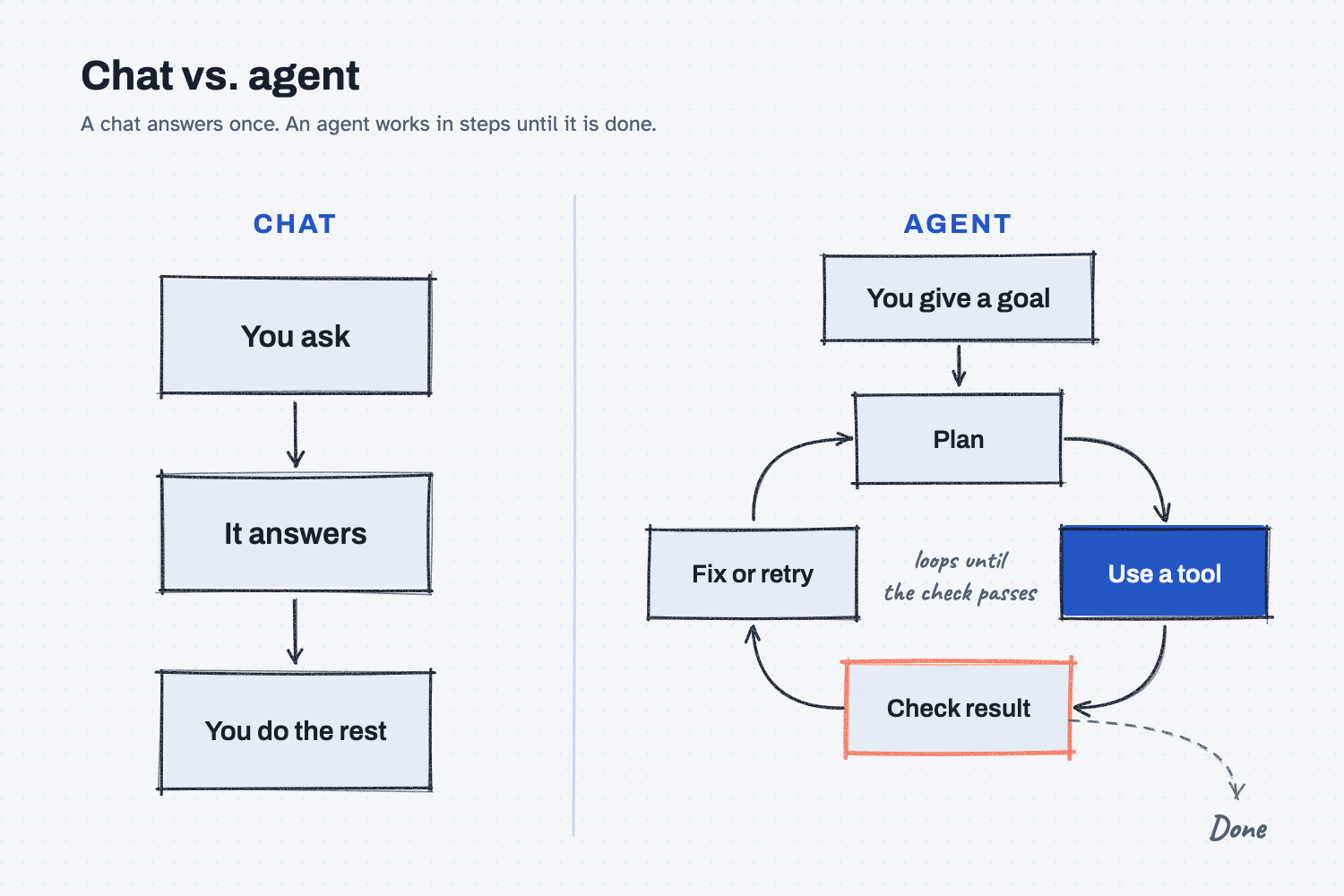
Chat vs. agent
A chat answers once and leaves the rest to you, while an agent keeps working in steps until the job is done.
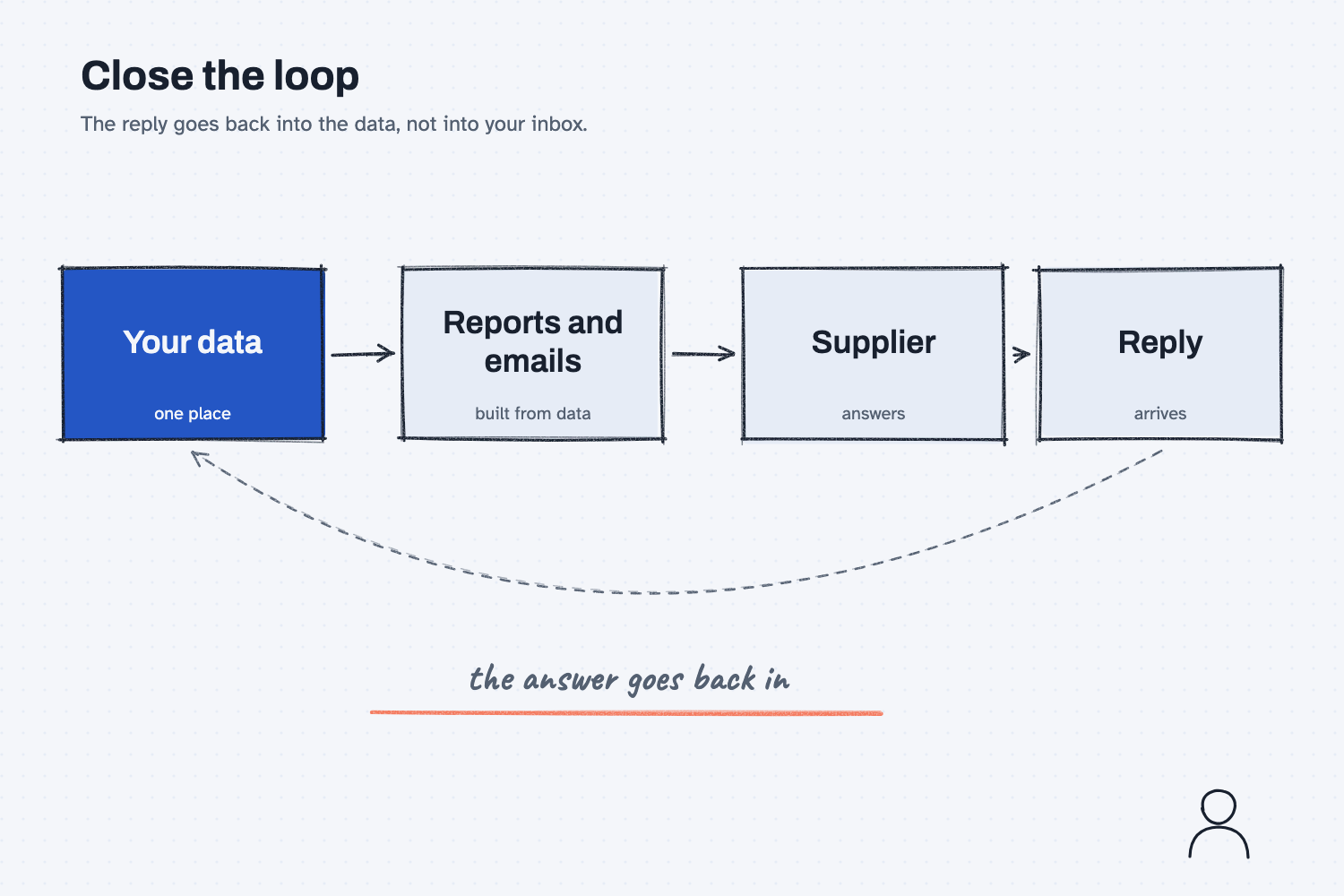
Put the answer back in the data
When a supplier replies, put the answer back into the same data and run it again, so your open list only gets shorter.
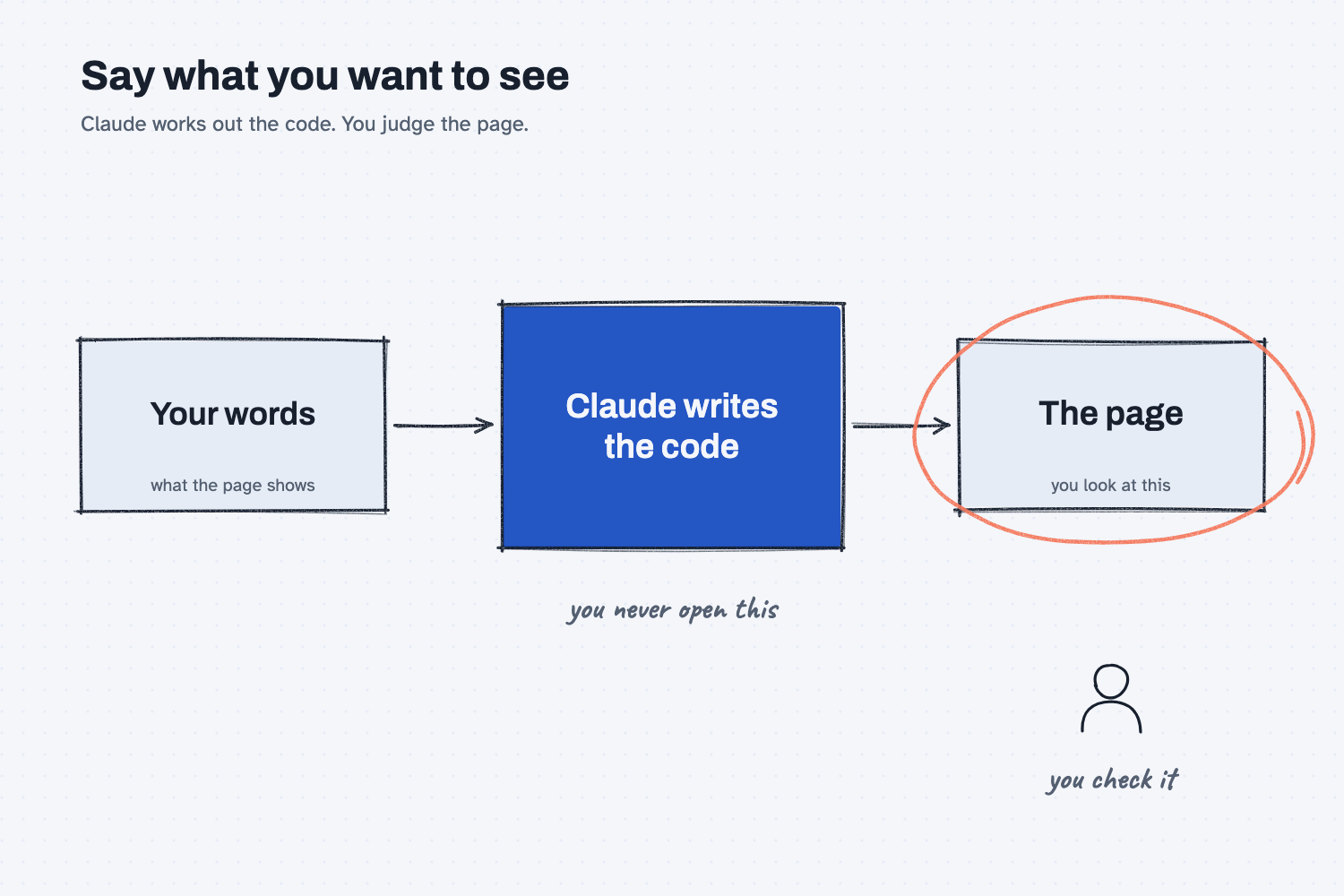
Say what you want to see, not how to build it
Tell AI what the page should show and let it work out the code, then judge the result by looking at it.
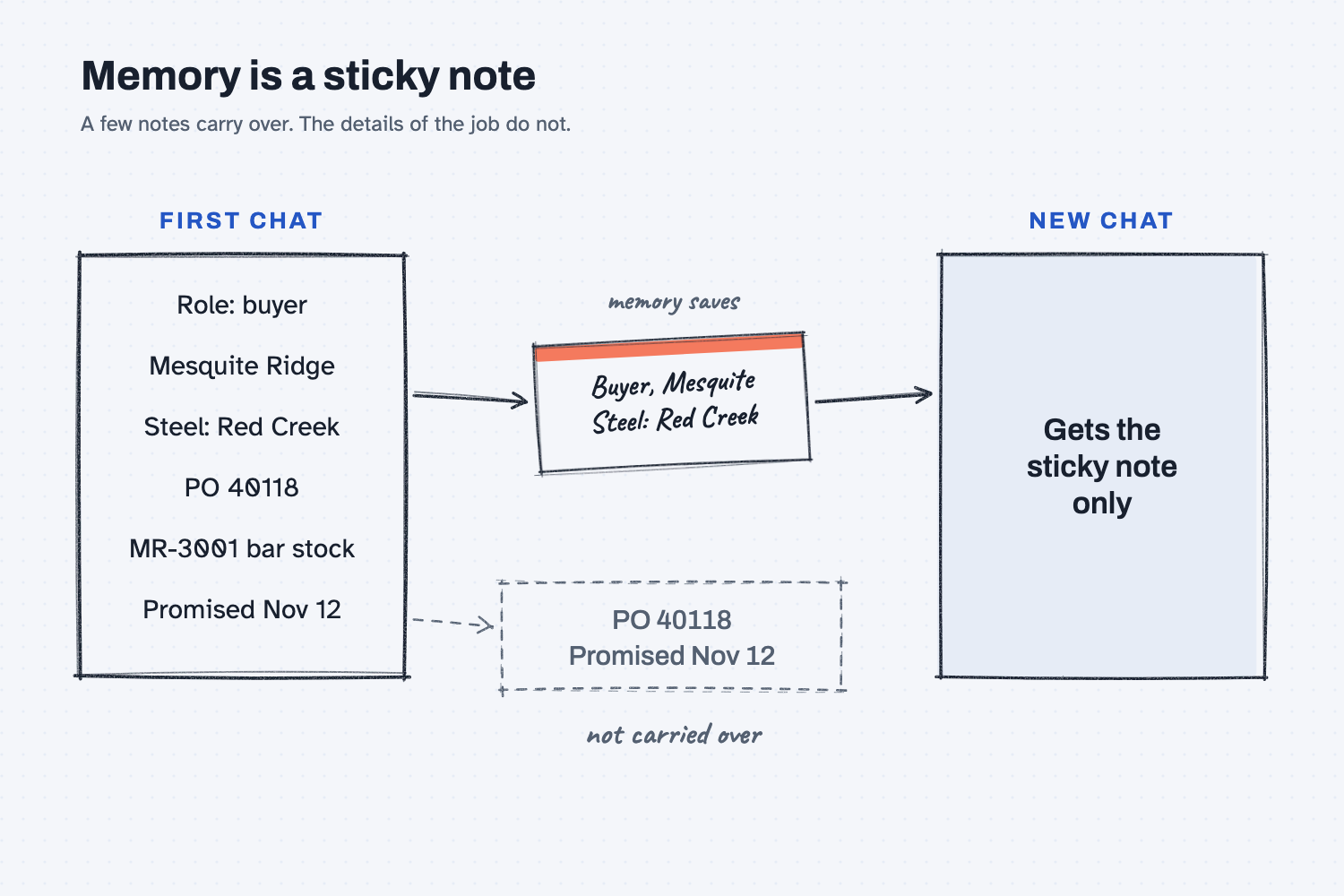
Memory is a sticky note, not a file cabinet
Memory saves only a few short notes about you, so your files and numbers still have to go into the chat.
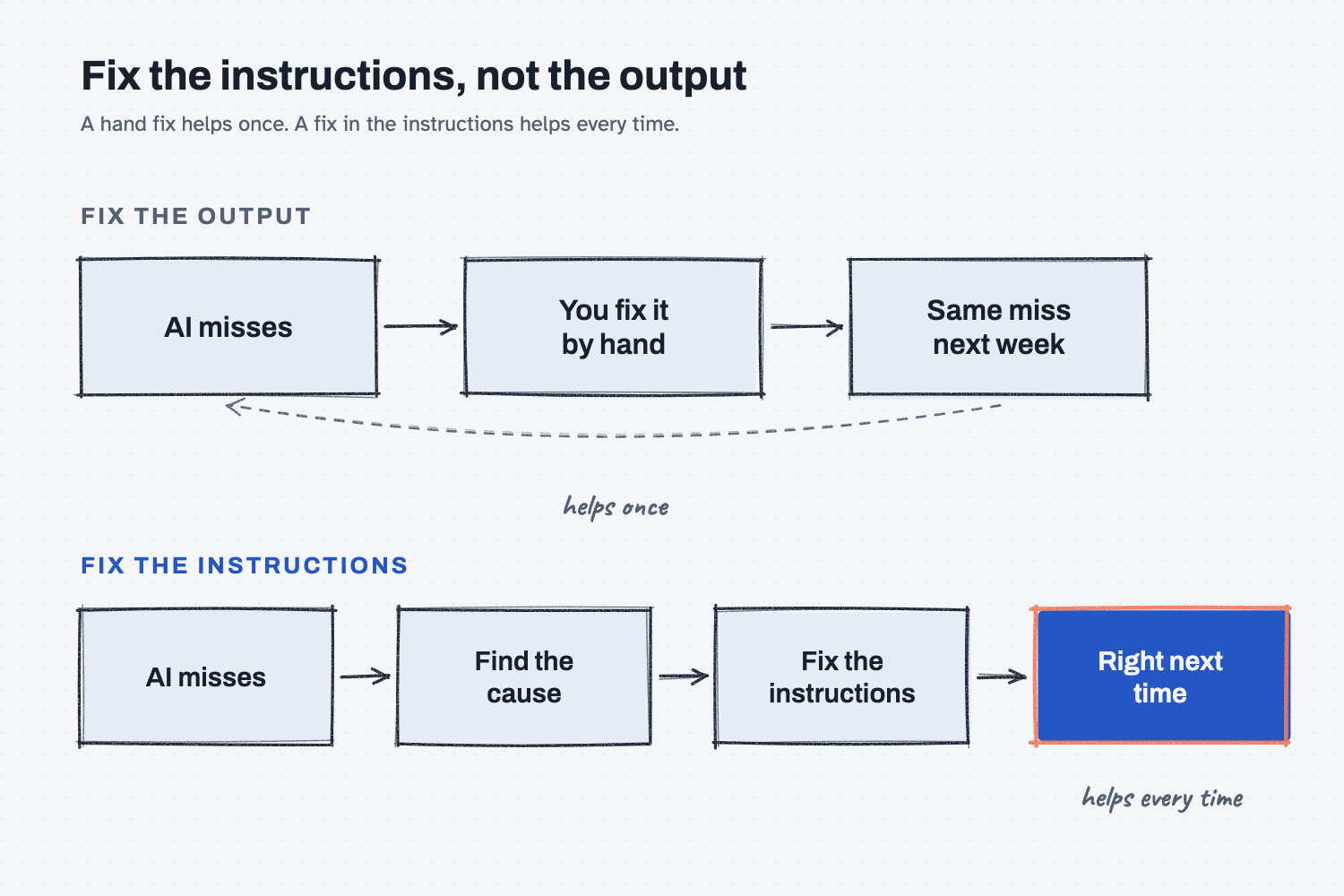
Fix the instructions, not the output
Fixing one answer by hand helps once, but fixing the instructions helps every time the AI does that job.
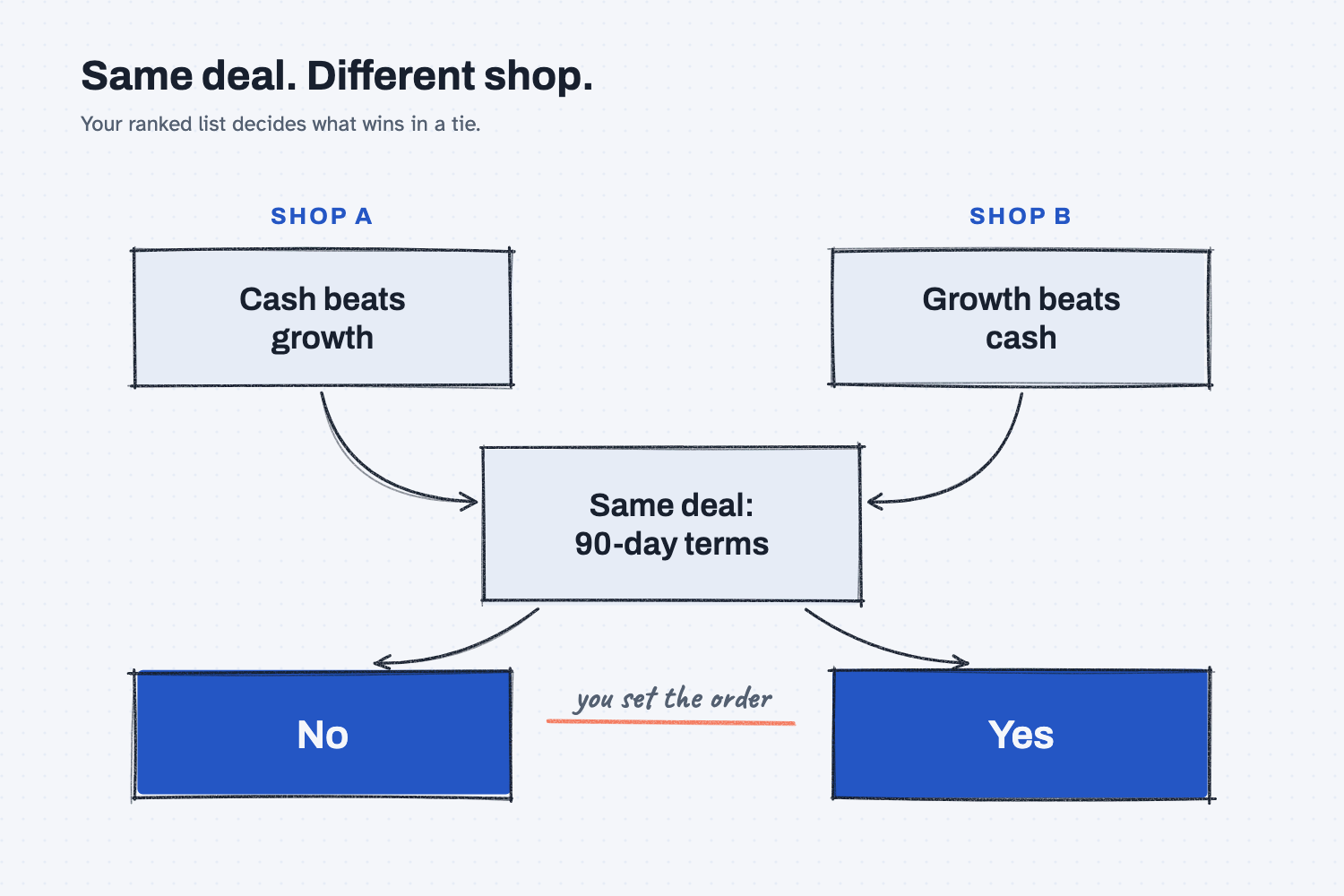
Tell AI what wins when two goods clash
Put your priorities in order, and AI will weigh a hard choice the way your shop would.
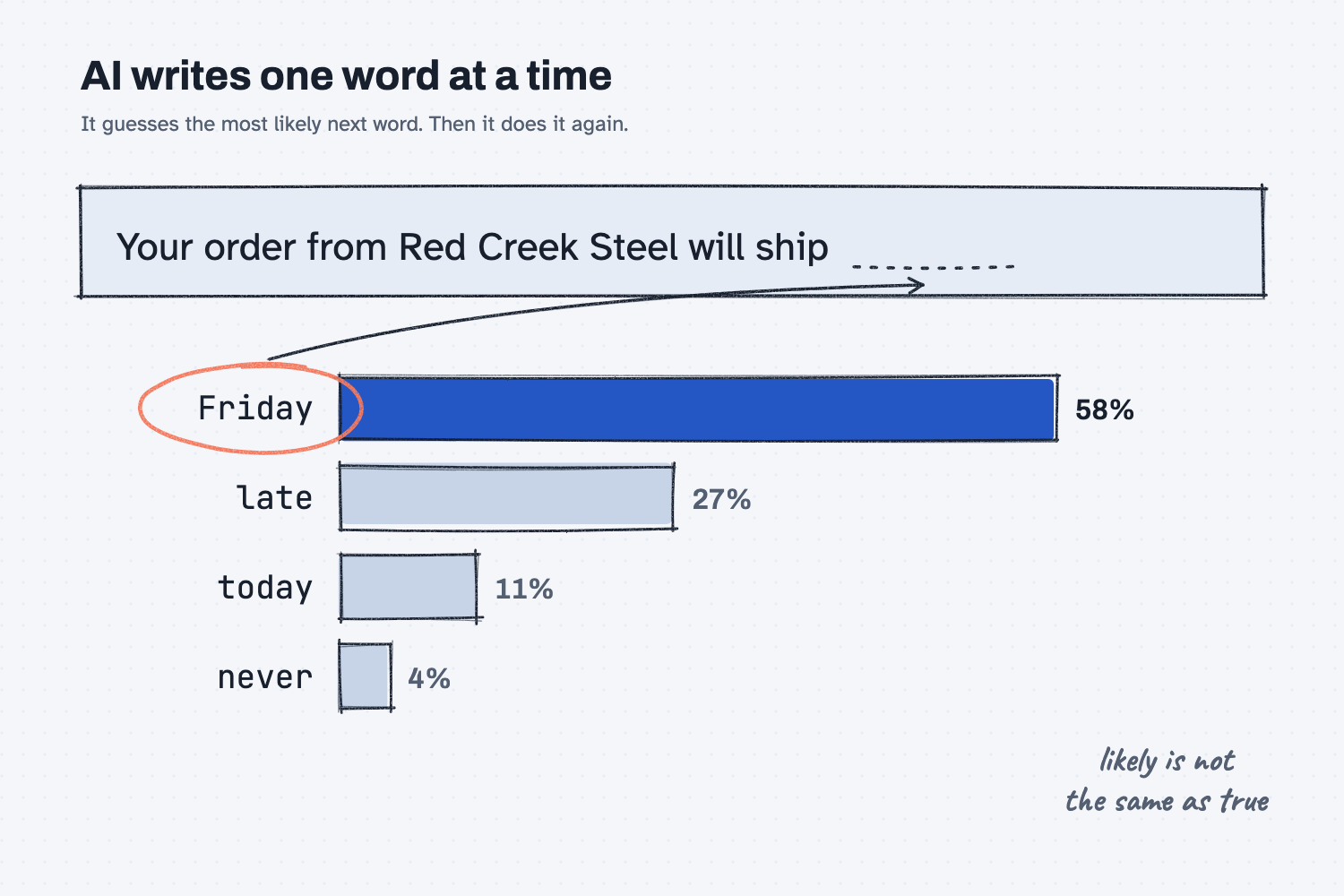
AI writes one word at a time
AI picks the most likely next word, and likely is not the same as true.
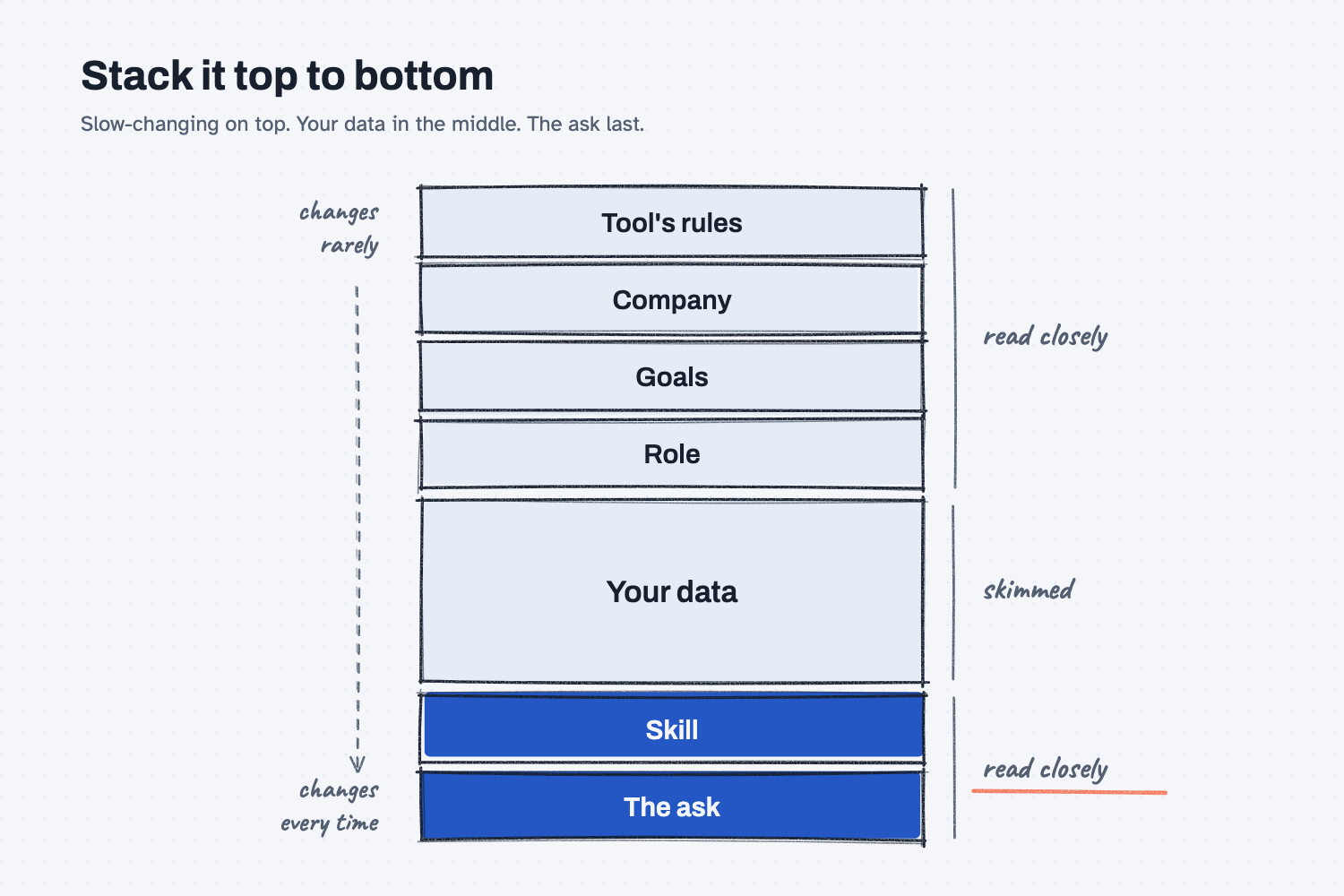
Stack it like a job packet
Put what rarely changes on top and your question last, and see how swapping one layer changes the answer.
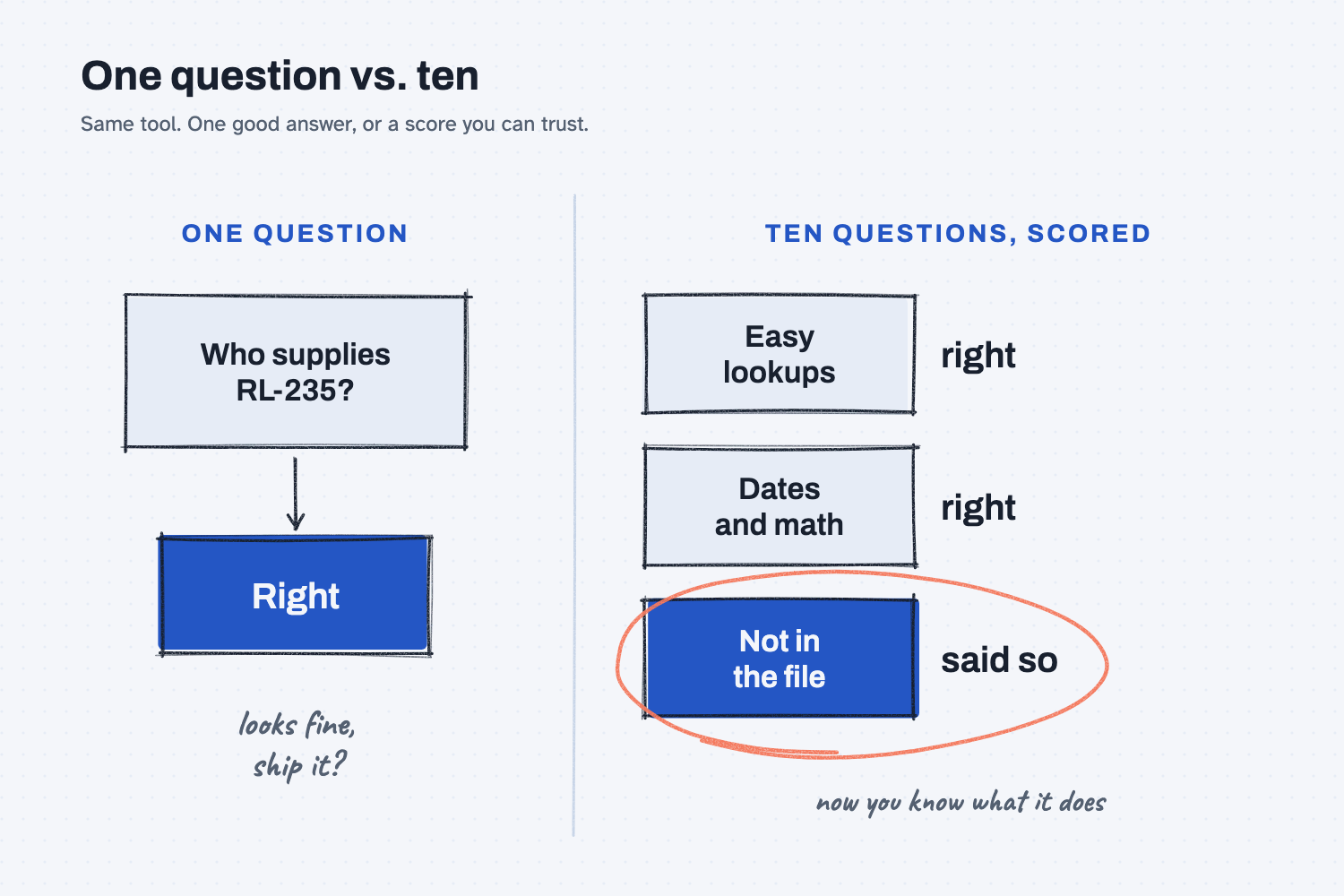
Test it with ten questions, not one
One good answer proves nothing, so score the tool on ten questions where you already know the answers.
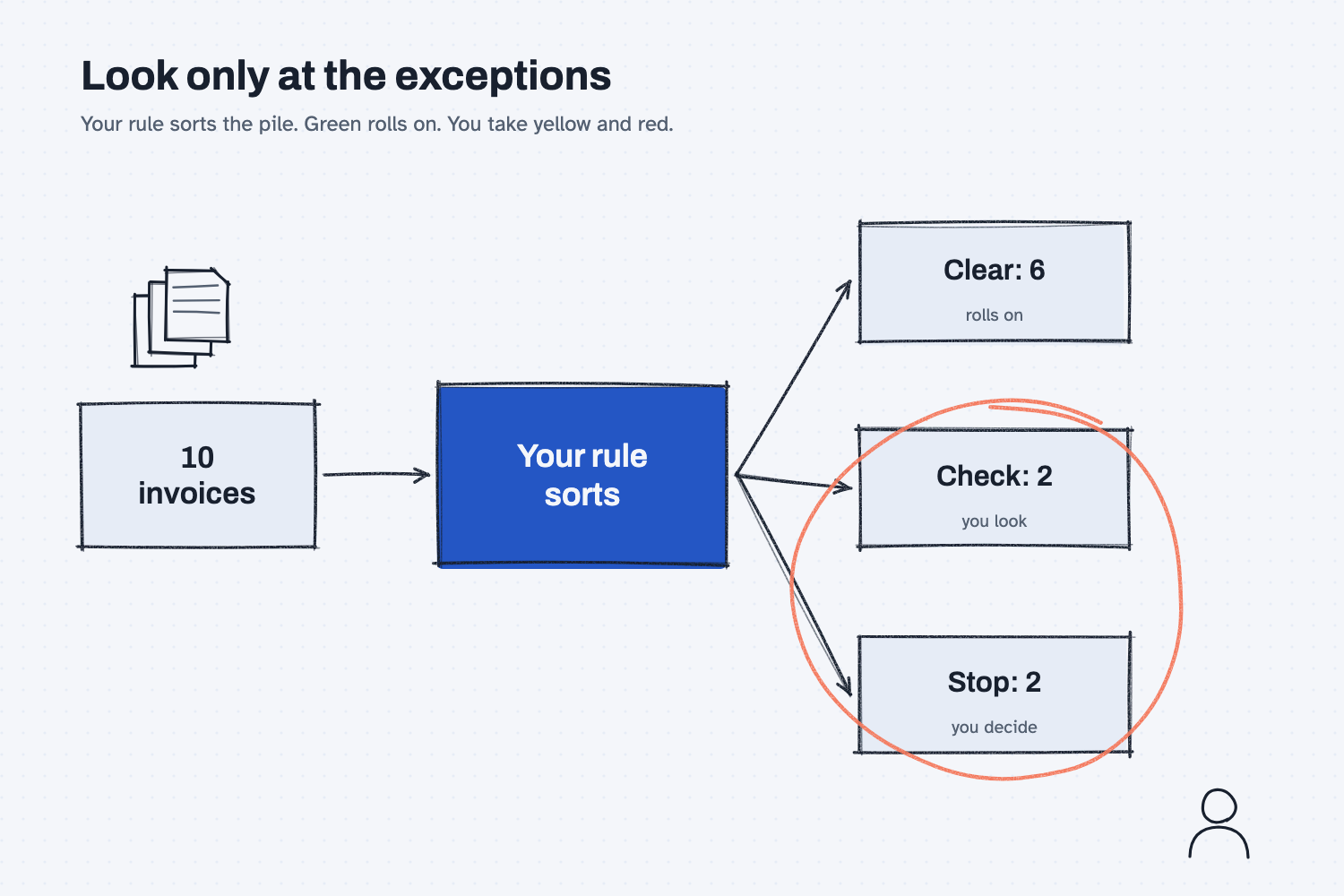
Let AI clear the easy 80 percent
Let the routine items go through on their own, and spend your time on the few that need a person.
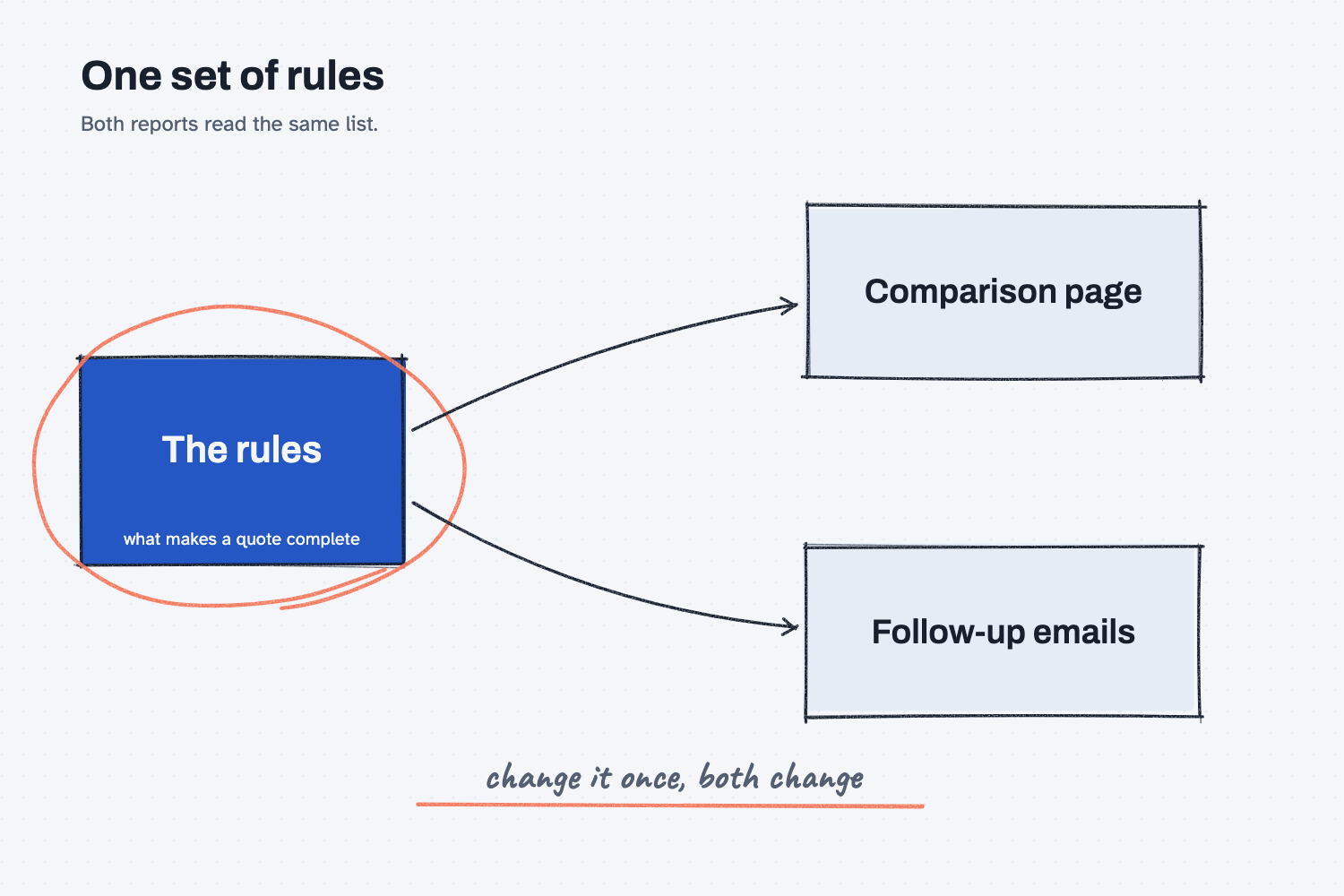
Keep the rules in one place
When two reports share one set of rules, you change a rule once and both reports change with it.
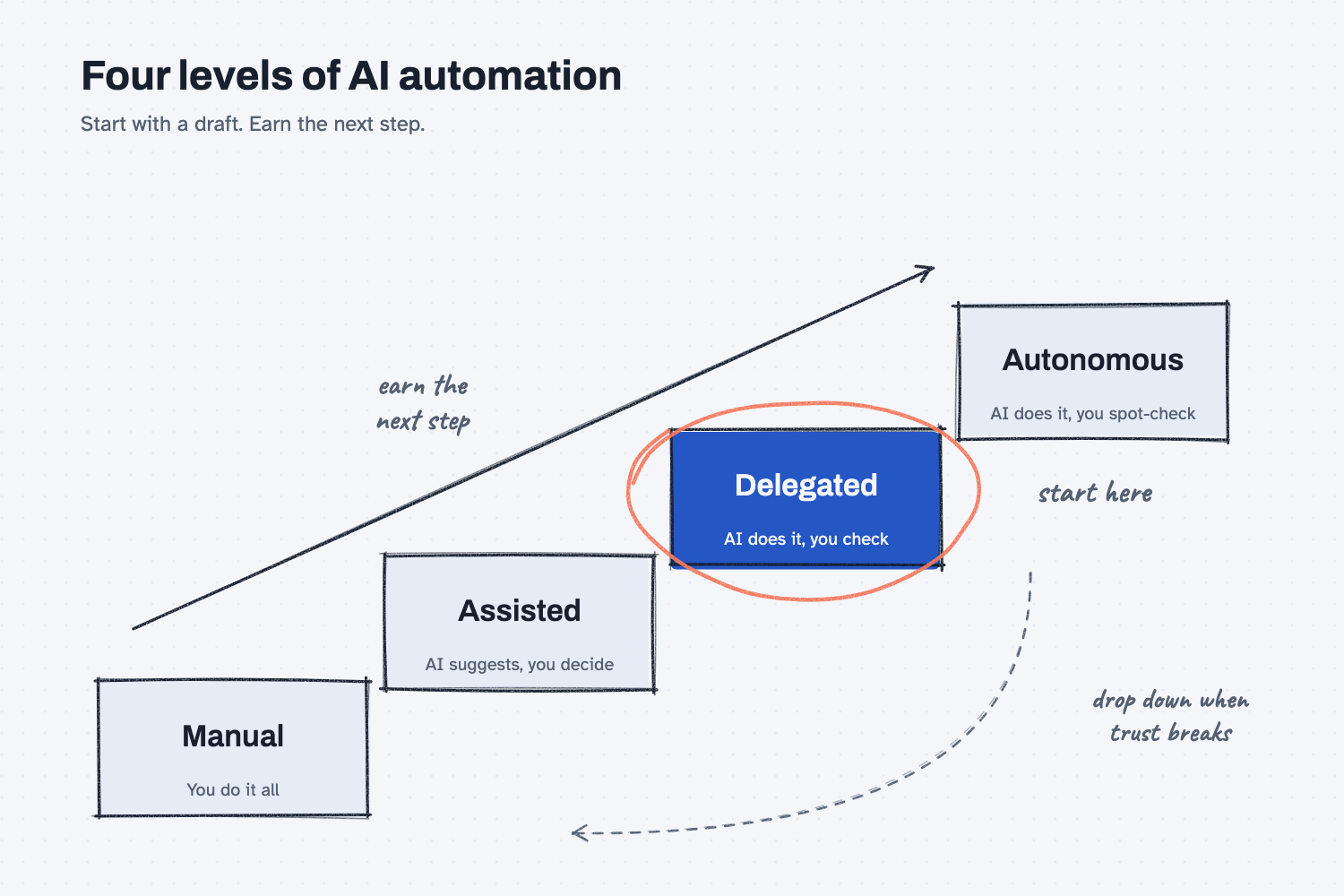
Start with draft, earn trust
Let AI draft first, and give it more room only after it has proven it deserves it.
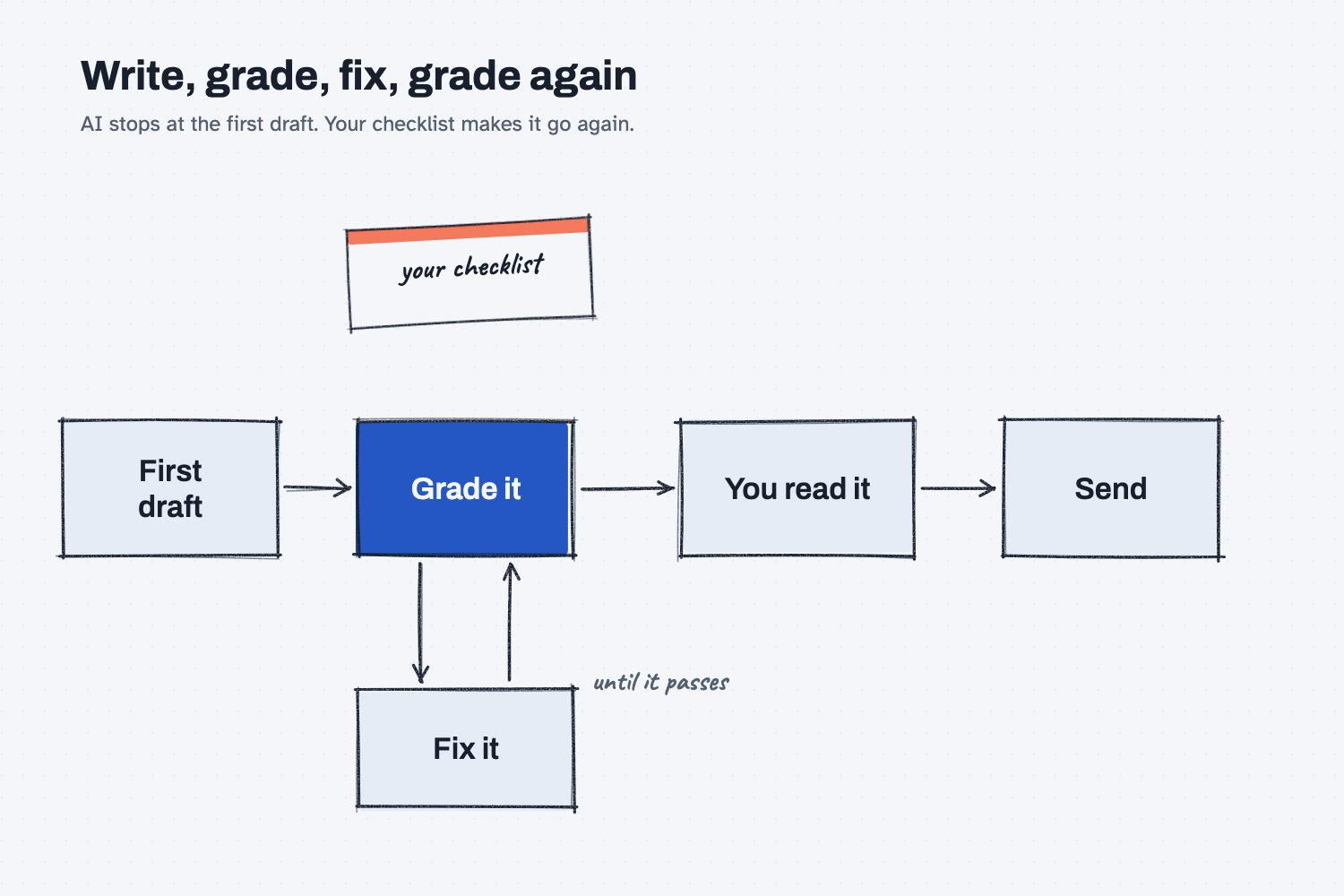
Make AI check its own first draft
AI stops at its first answer, so ask it to check the draft against your list and fix it.
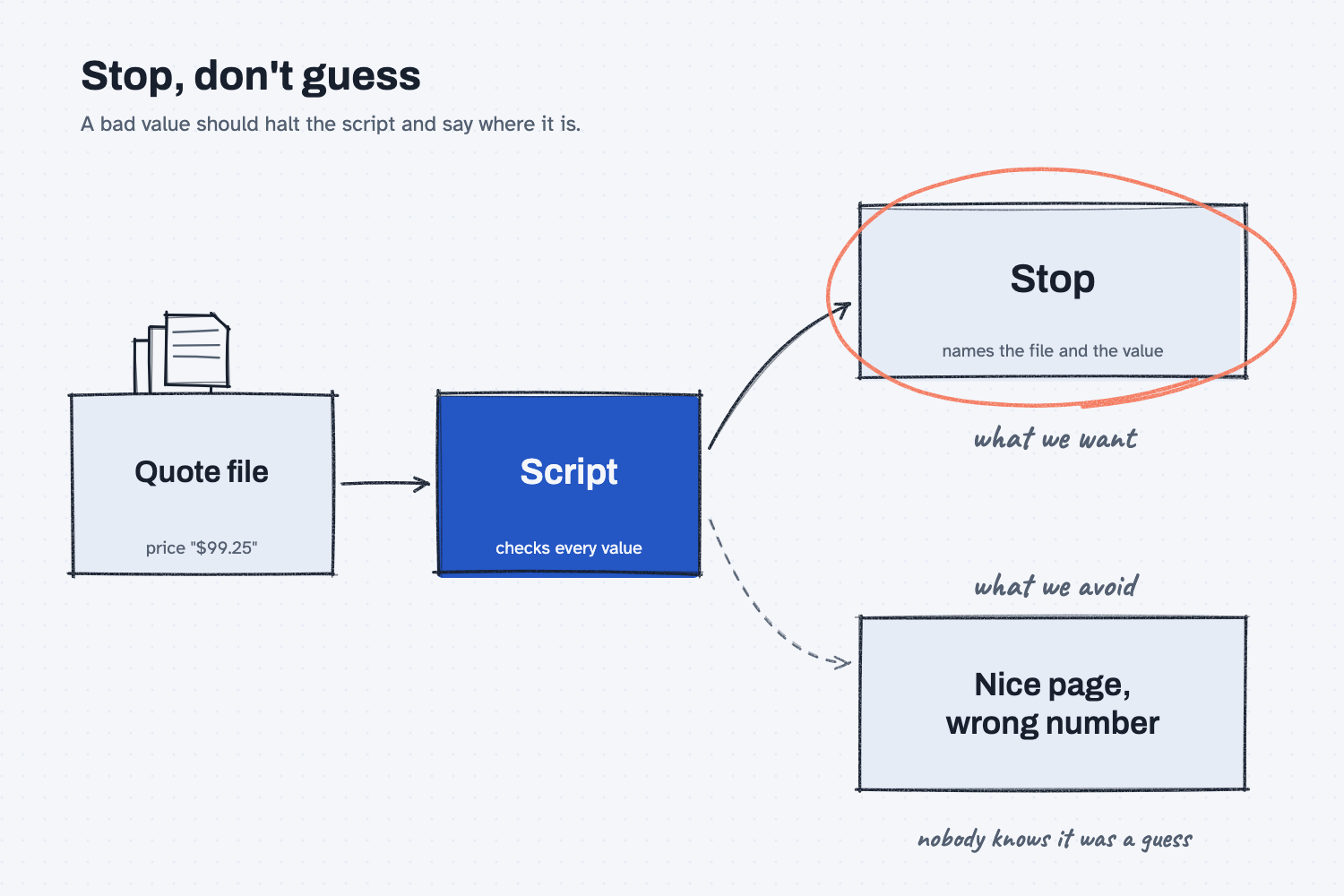
A loud stop beats a quiet mistake
Tell the script to stop and name the file and the value, so bad data never becomes a nice-looking wrong page.
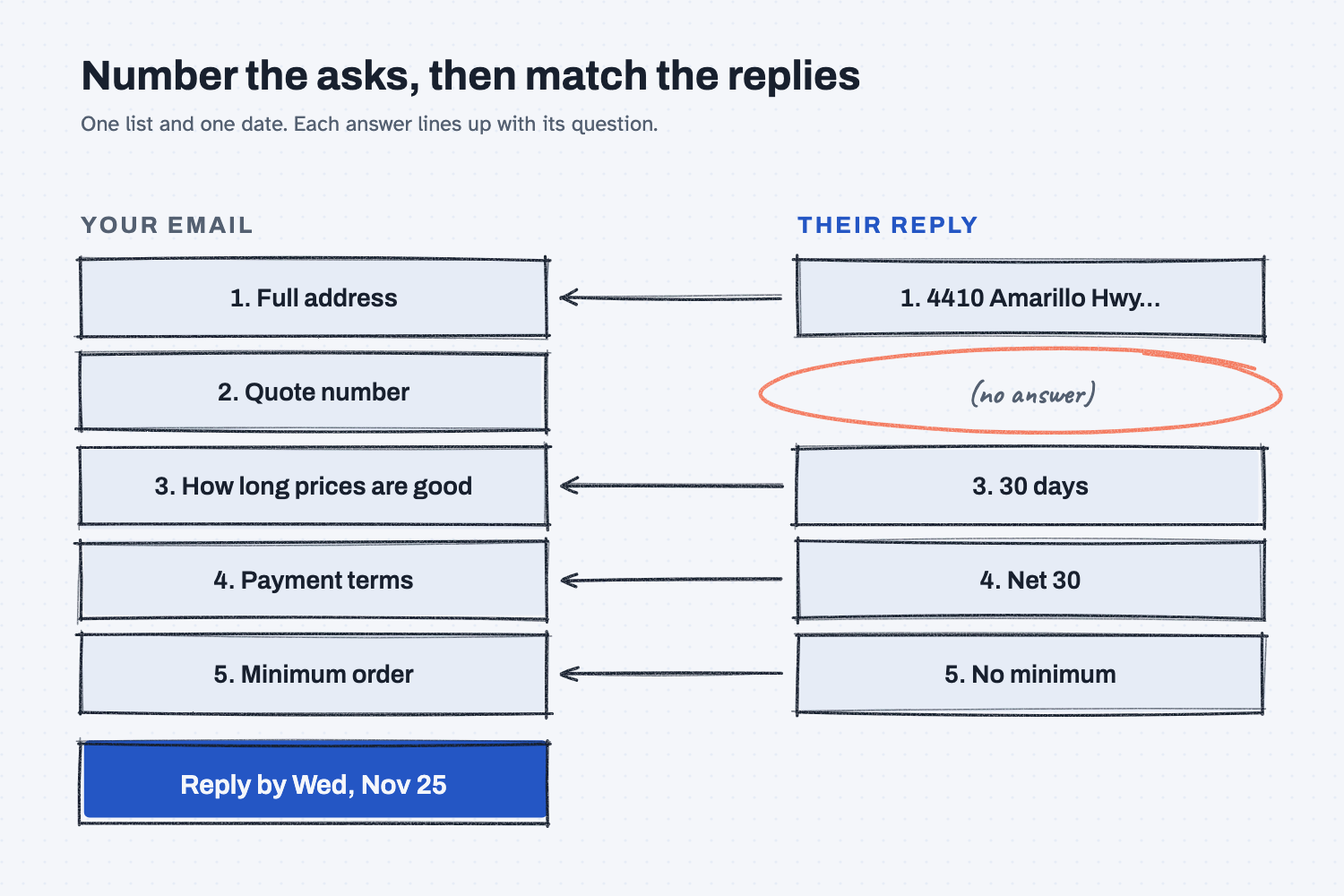
One list, one date, easy replies
One numbered list and one reply-by date let a supplier answer line by line, and let you match each reply to its question.
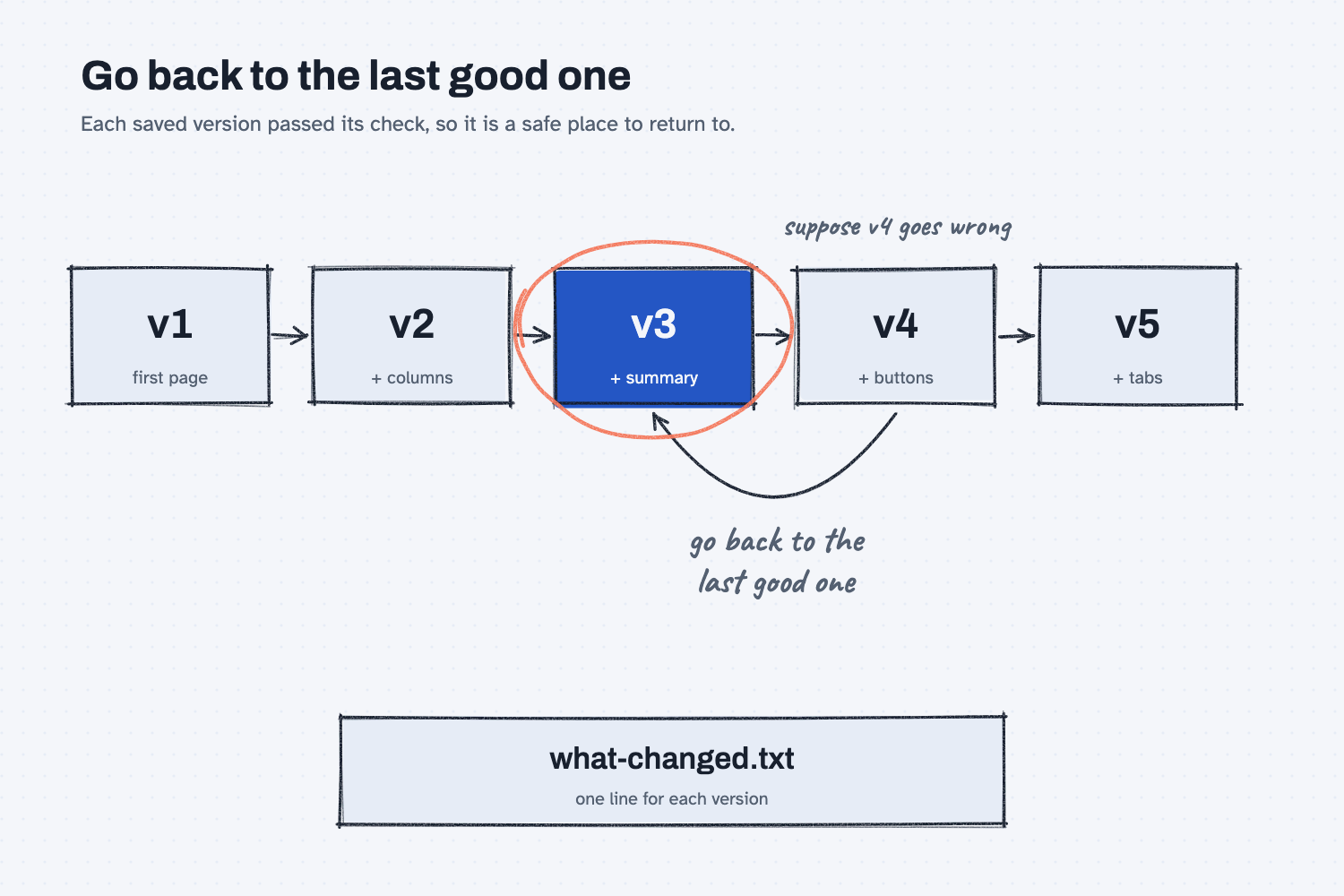
Save every version that works
Keep each version that passed its check, with a one-line note, so you can always go back to one you trust.
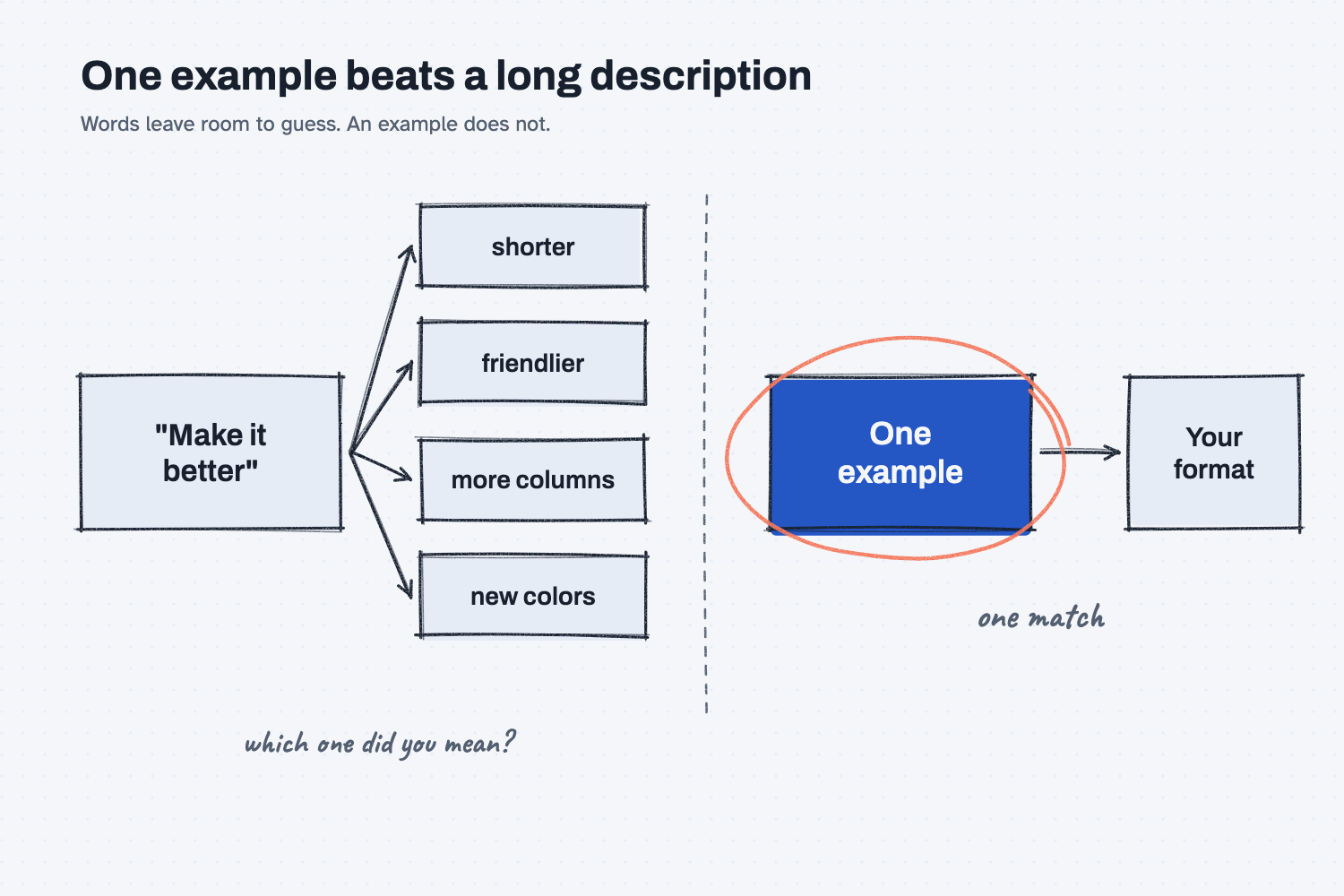
Show AI one finished example
One typed row or one circled screenshot means one thing. Words like "make it better" can mean anything.
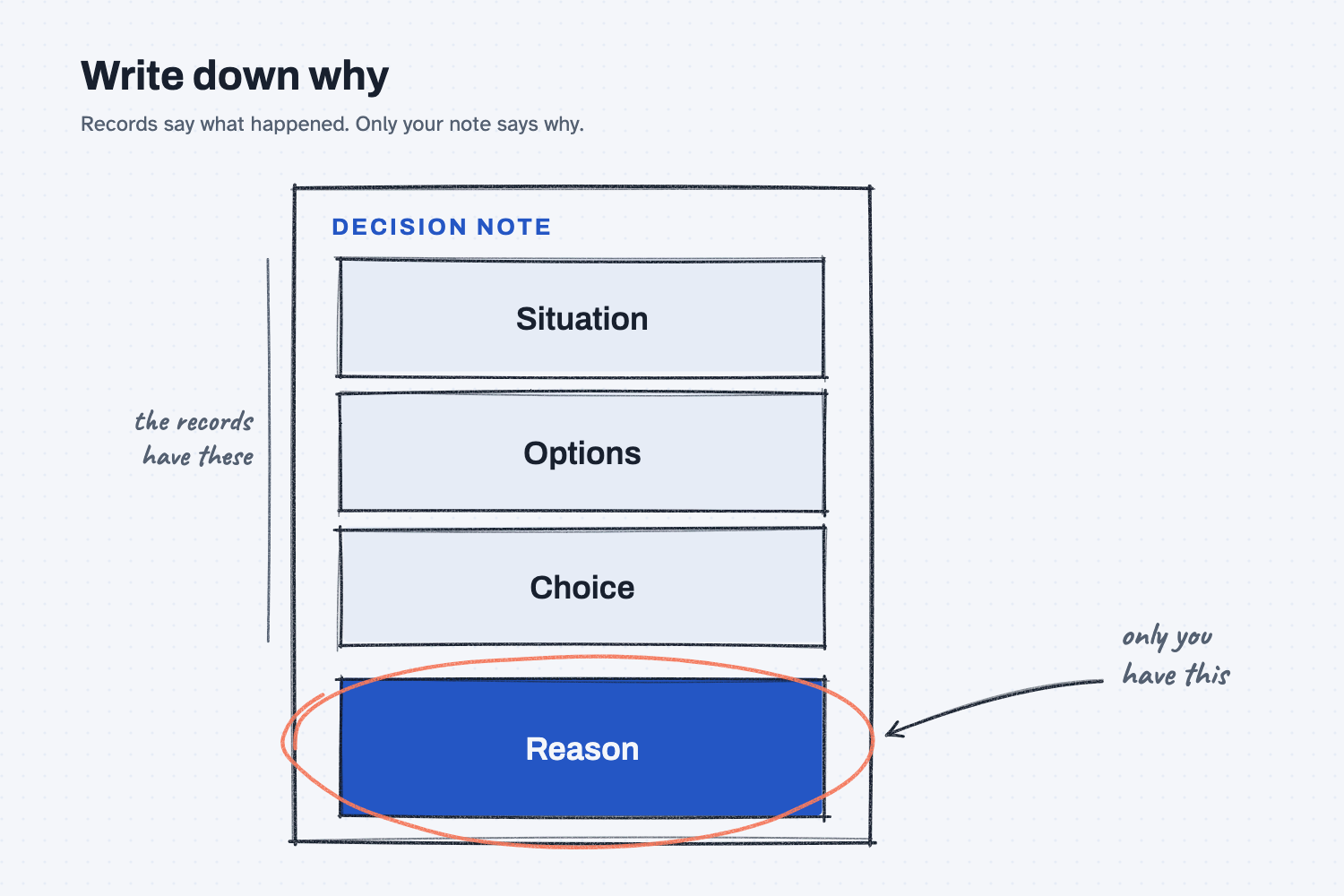
Write down why you made the call
Your records show what happened, but only a short note from you can show why you made the call.
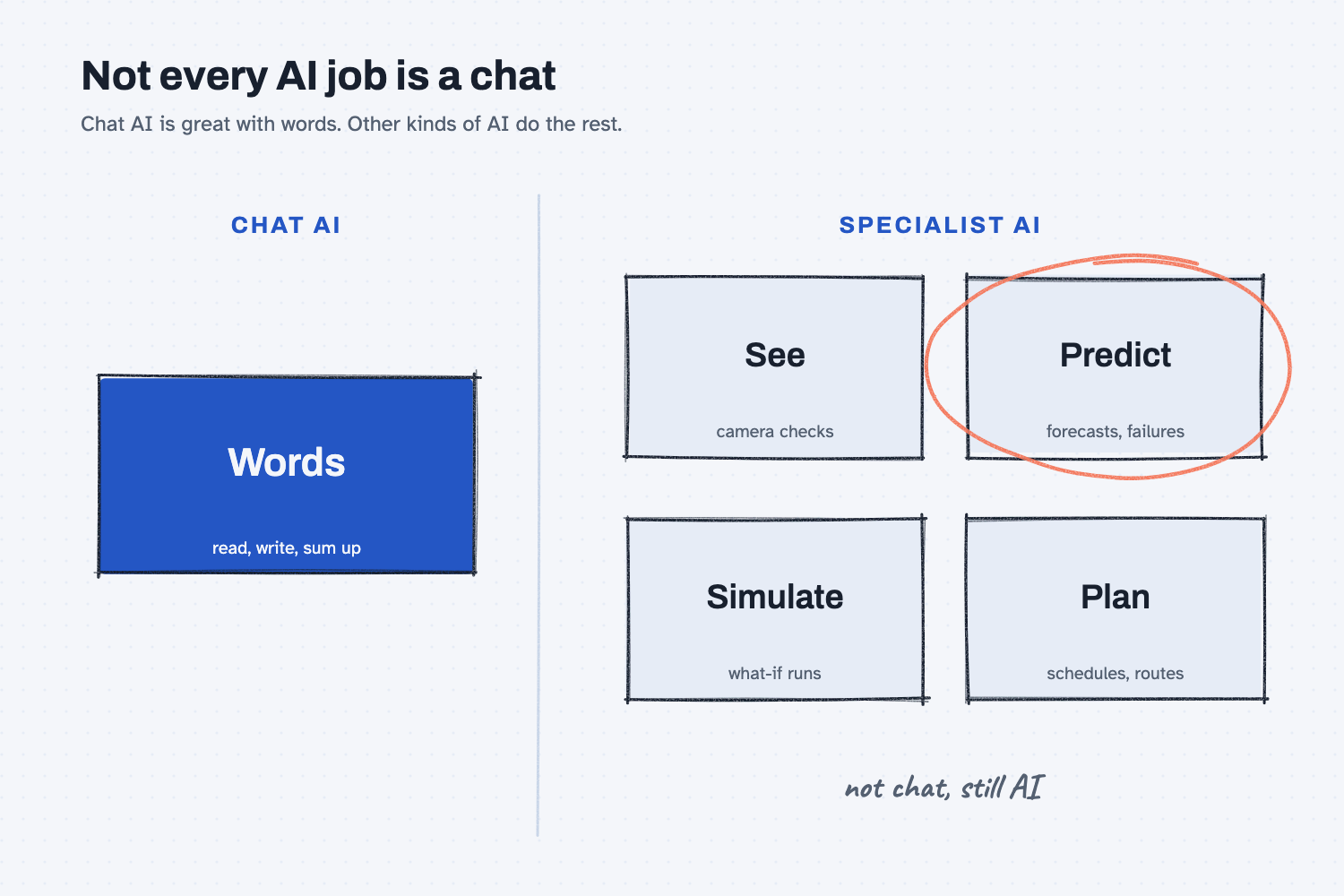
Not every AI job is a chat
Chat AI is good with words, but forecasts, schedules, and camera checks need a different kind of AI.
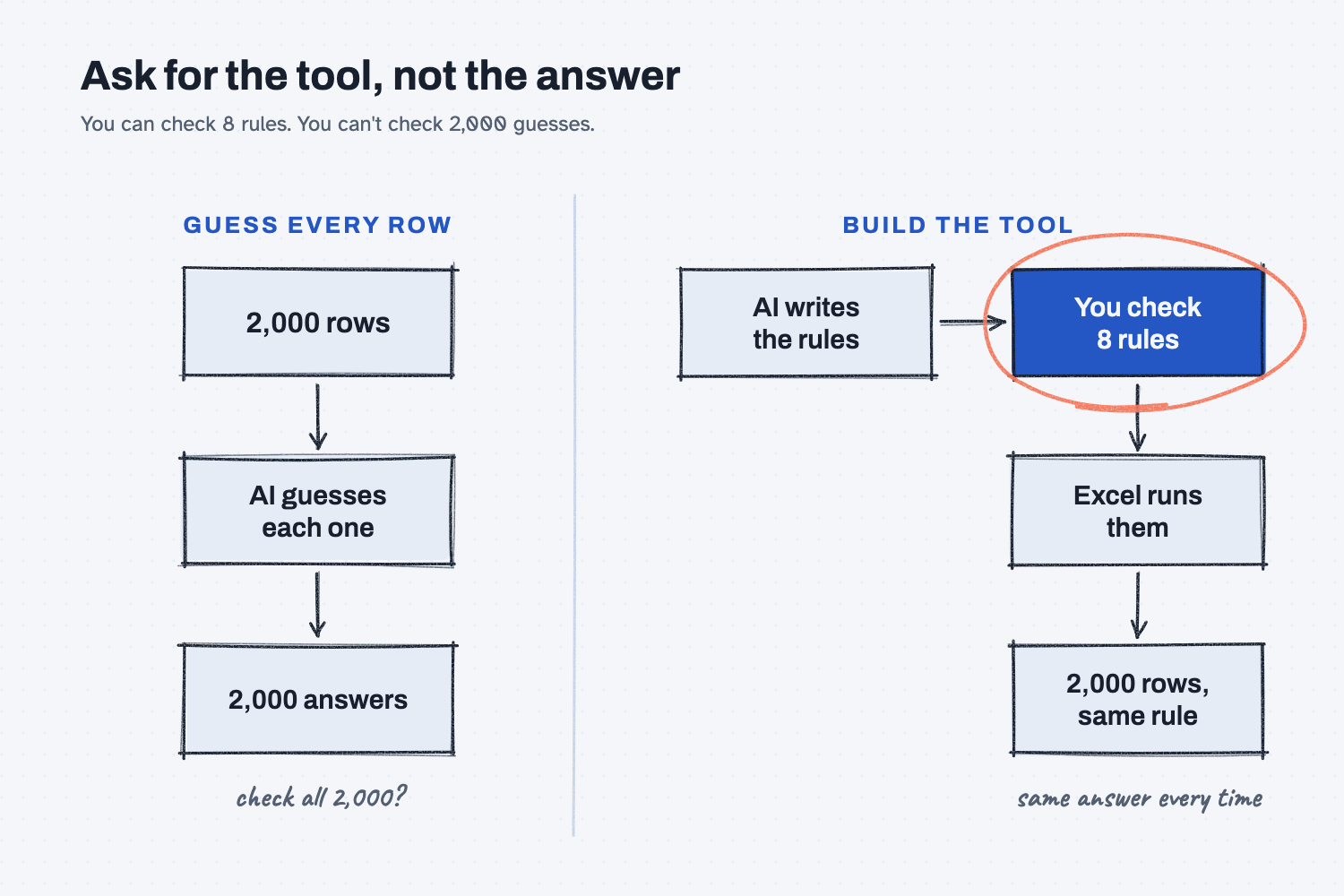
Ask AI for the tool, not the answer
For a big pile of messy data, ask AI for rules you can read and check instead of a guess at every row.
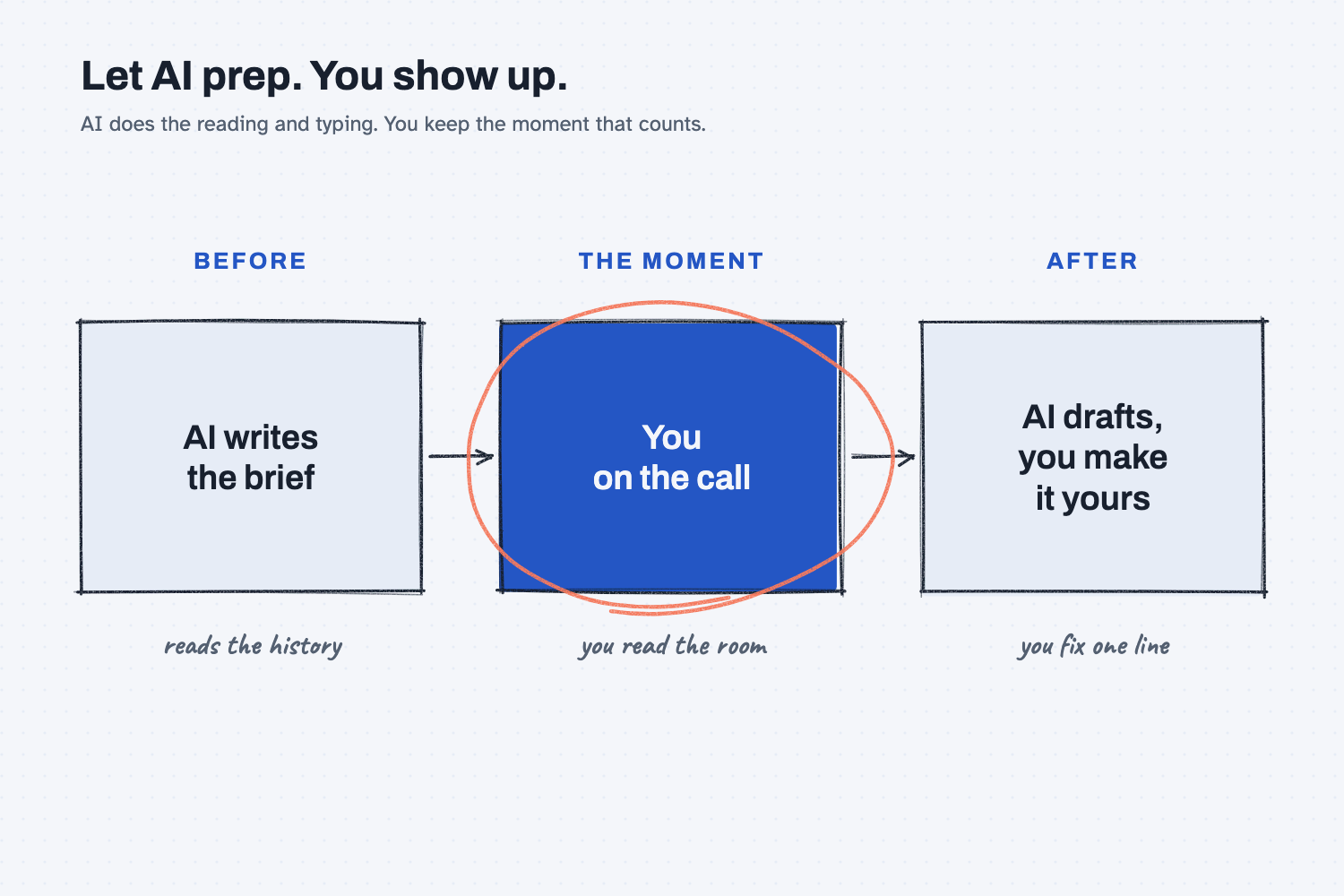
Let AI prep, you show up
Let AI do the reading and typing before and after a meeting, so you can give the meeting itself your full attention.
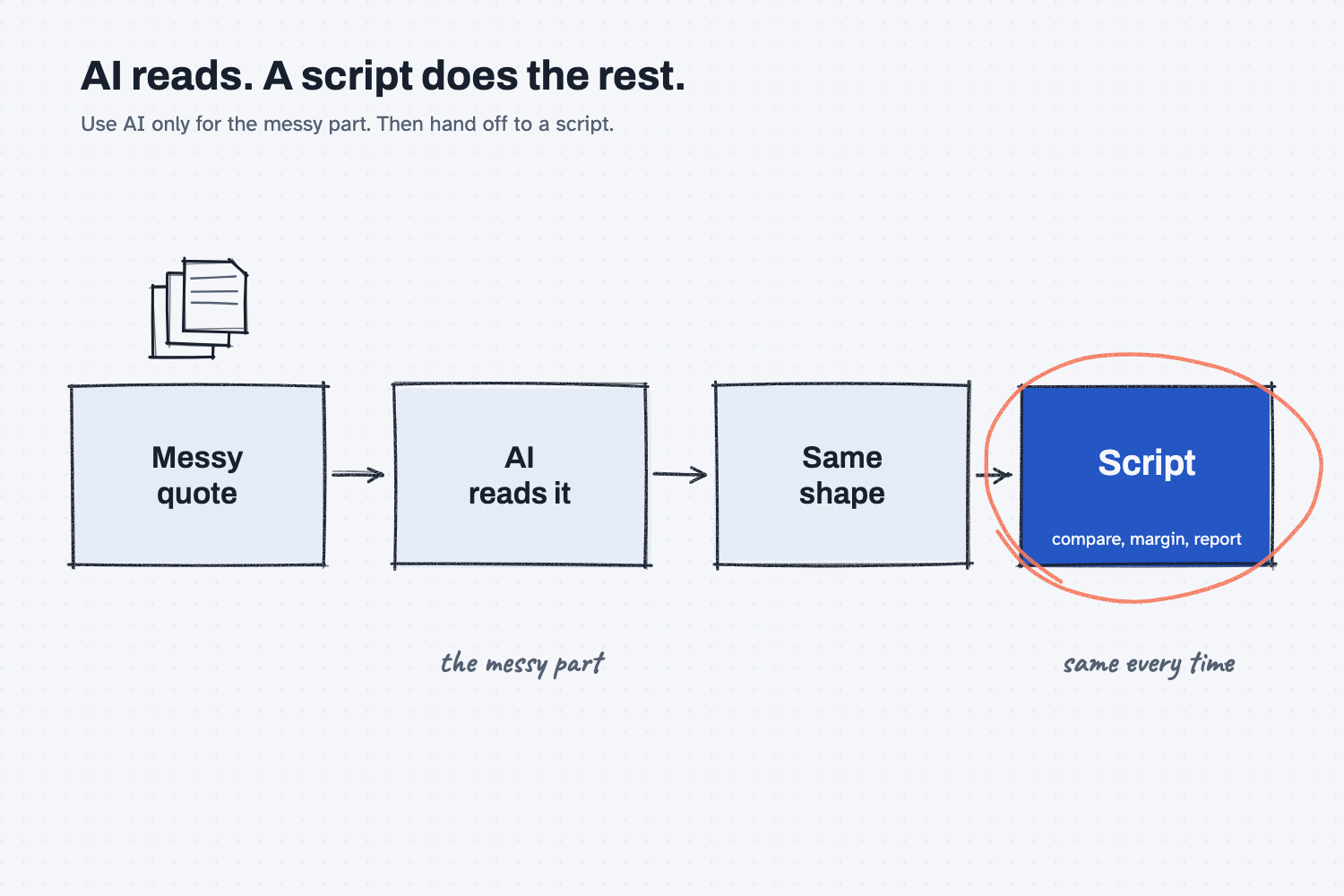
If a script can do it, use the script
Use AI for the messy part. Push the rest down to a script that gives the same answer every time.
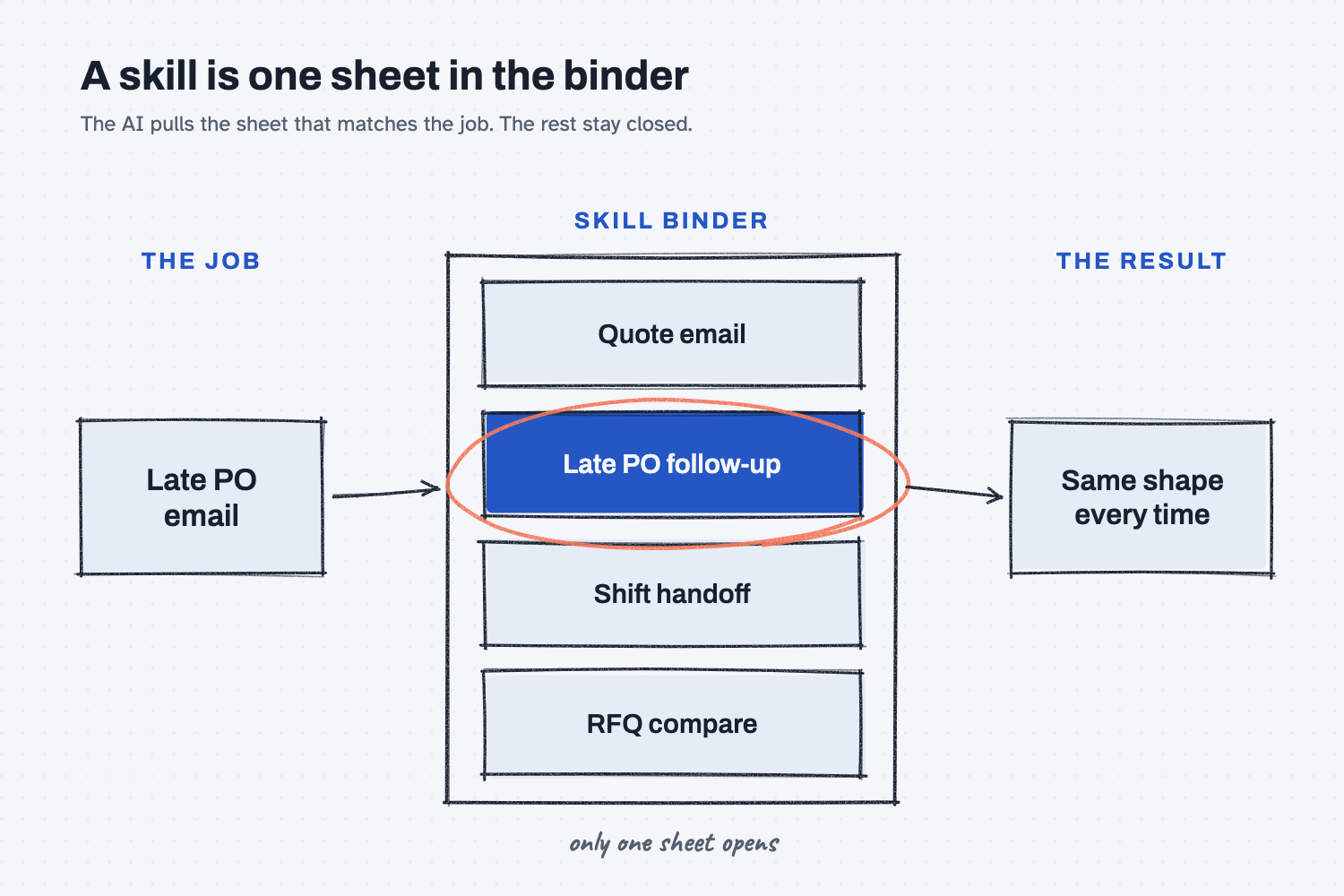
Save the steps, not the whole job
Write down how your shop does a job once, and AI will pick up that sheet whenever the job matches.
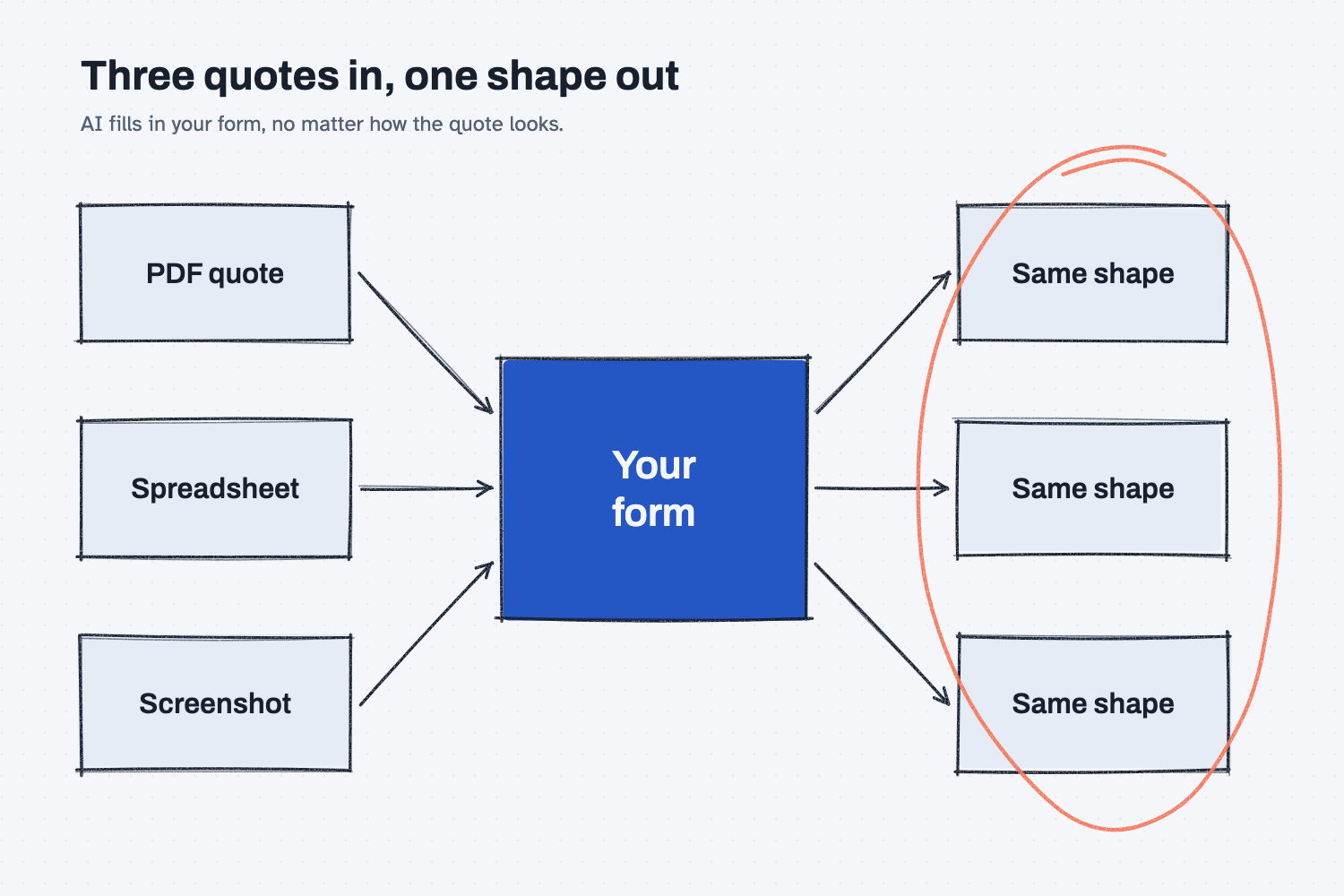
Make AI fill in your form
Give AI the exact shape to fill. Every quote comes out the same, so you can compare and reuse it.
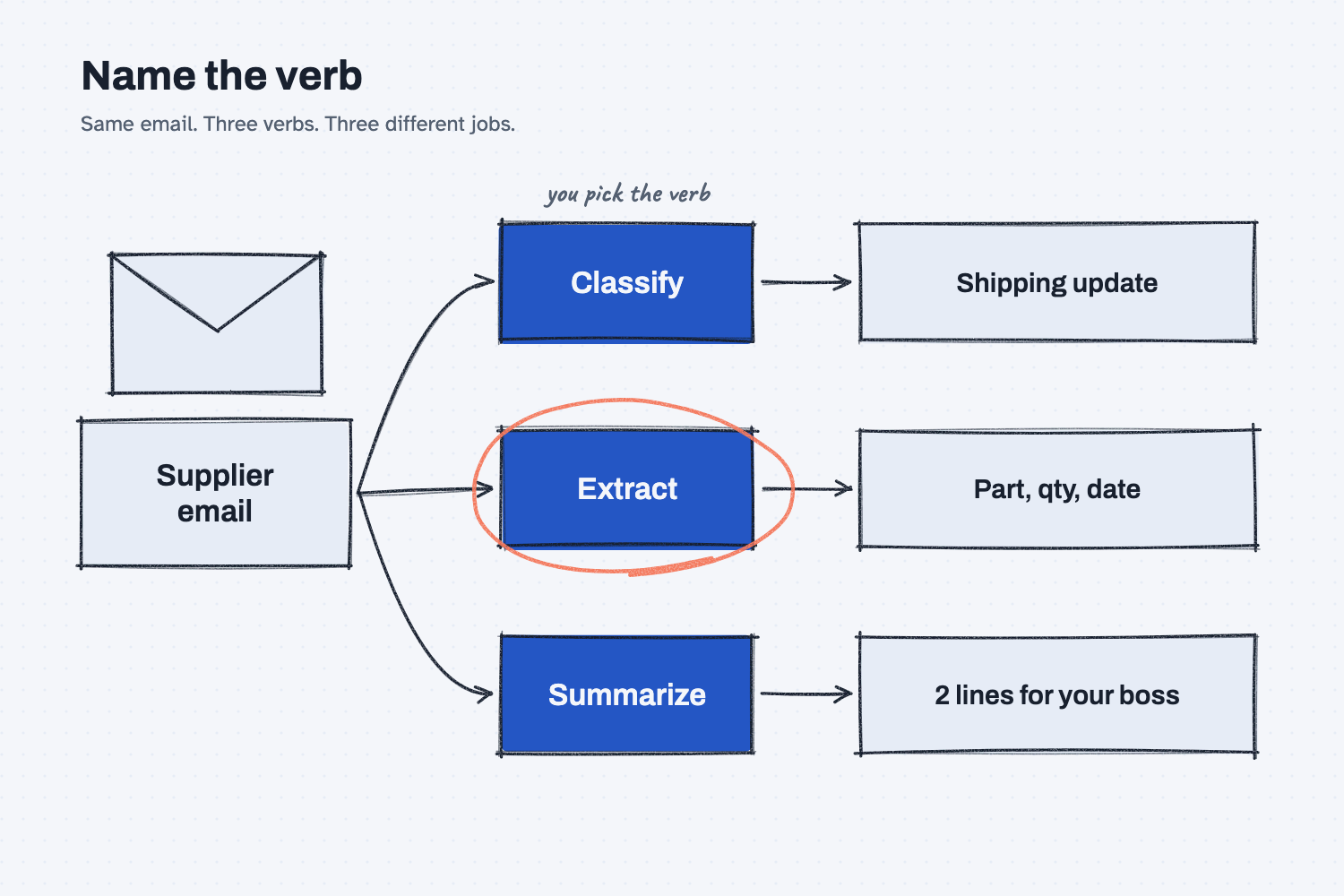
Ten verbs AI can do
When you name the job you want done, the answer gets sharper. Try it on a supplier email in 2 minutes.
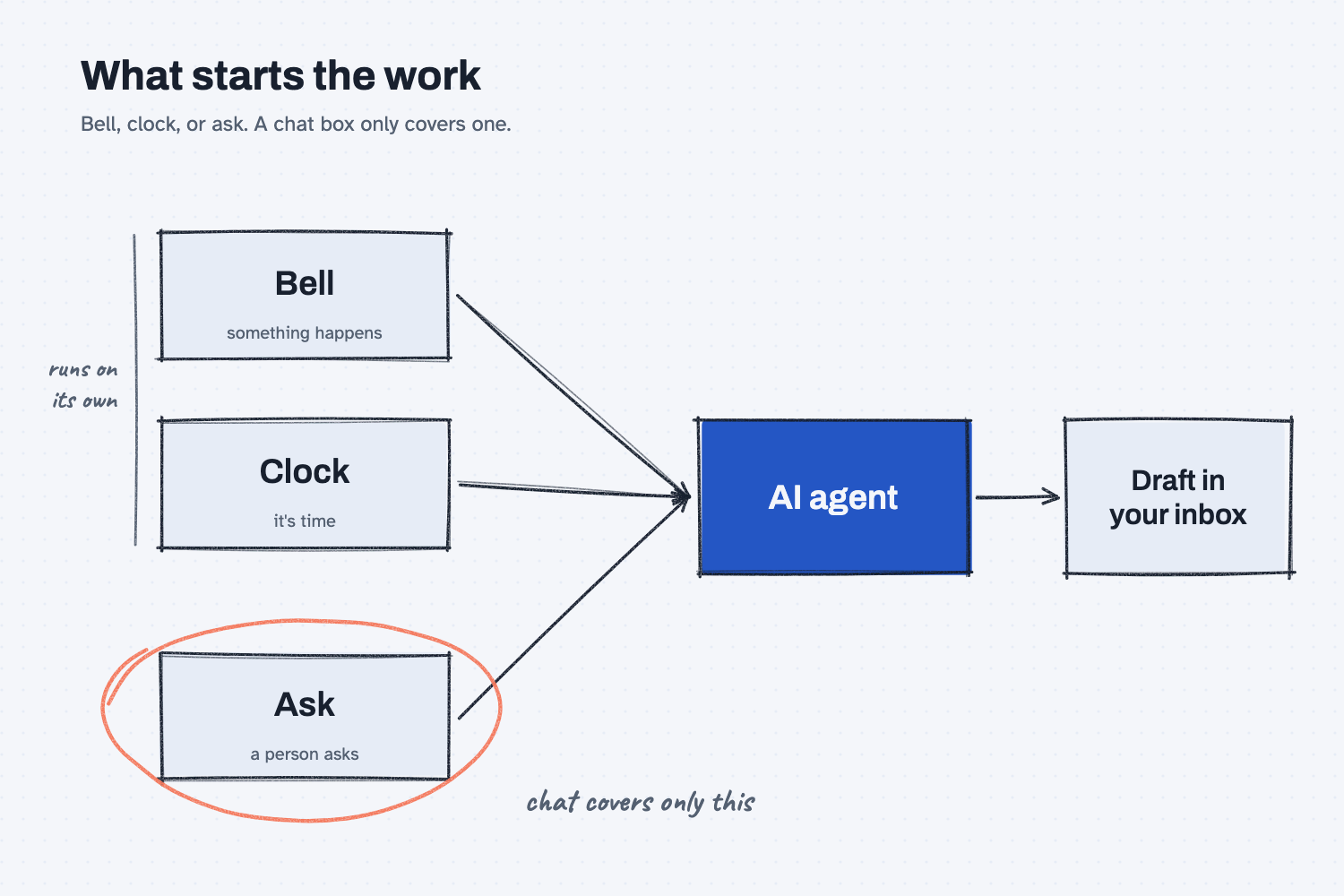
Bell, clock, or ask: what starts the work
Most work starts without anyone asking, so AI should be able to start that way too.
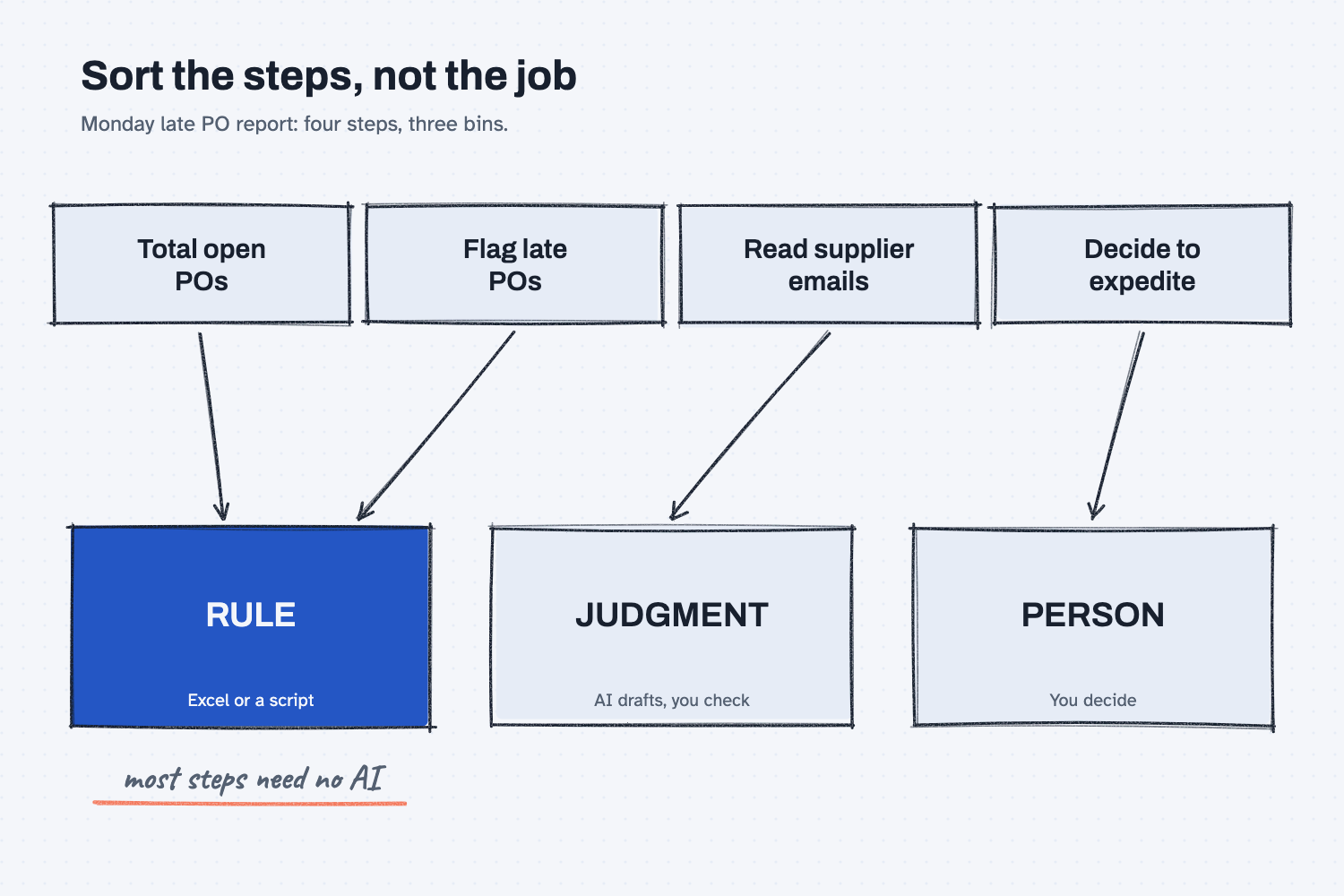
Sort each step: rule, judgment, or person
Do not send the engineer to move a box. Split the job into steps and give each one to the right tool.
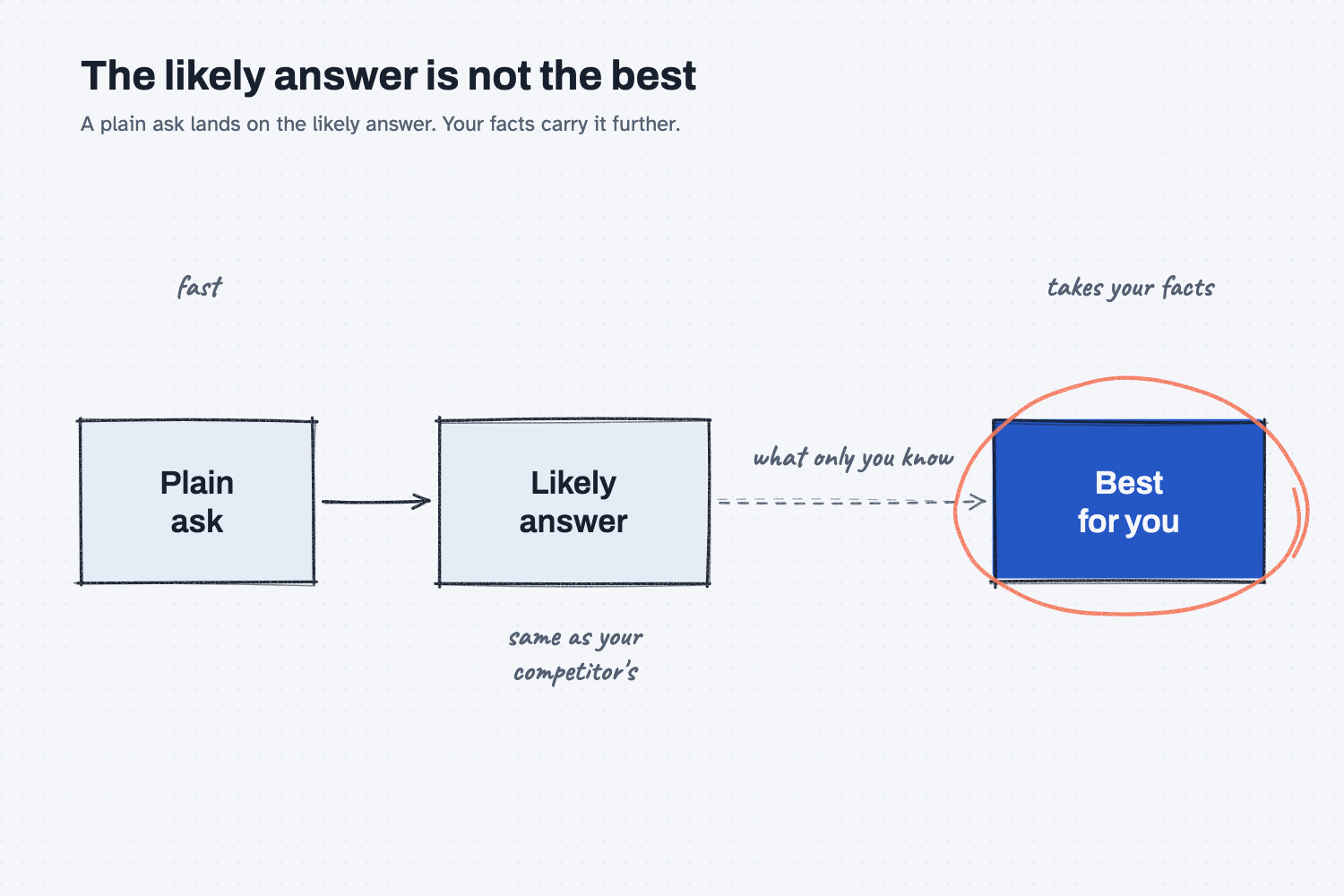
AI gives the likely answer, not the best one
The clean answer AI gives you is the same one your competitor gets, so add what only you know.
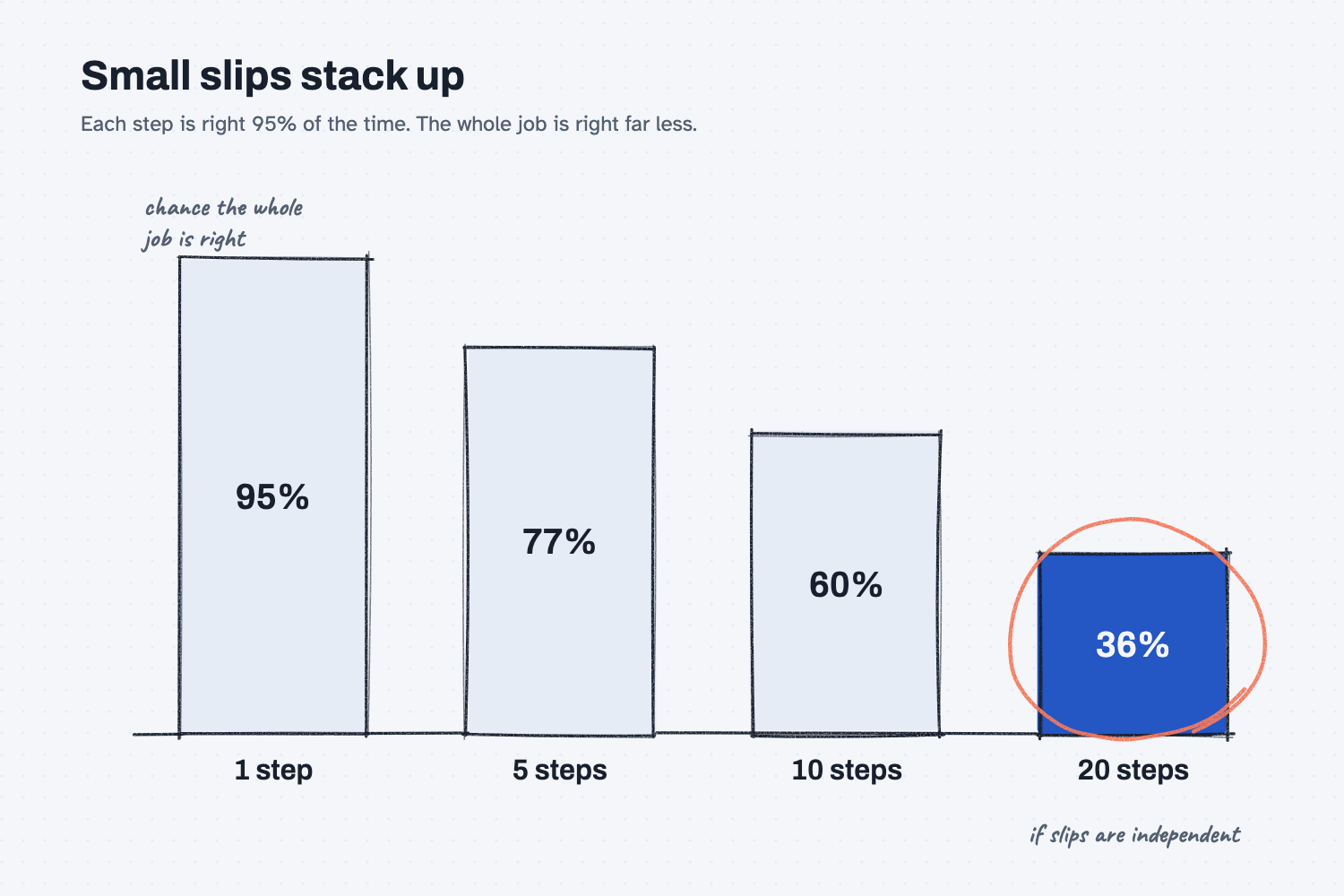
Small errors stack up across steps
If each step is right 95% of the time, a job with 20 steps is fully right only about a third of the time.
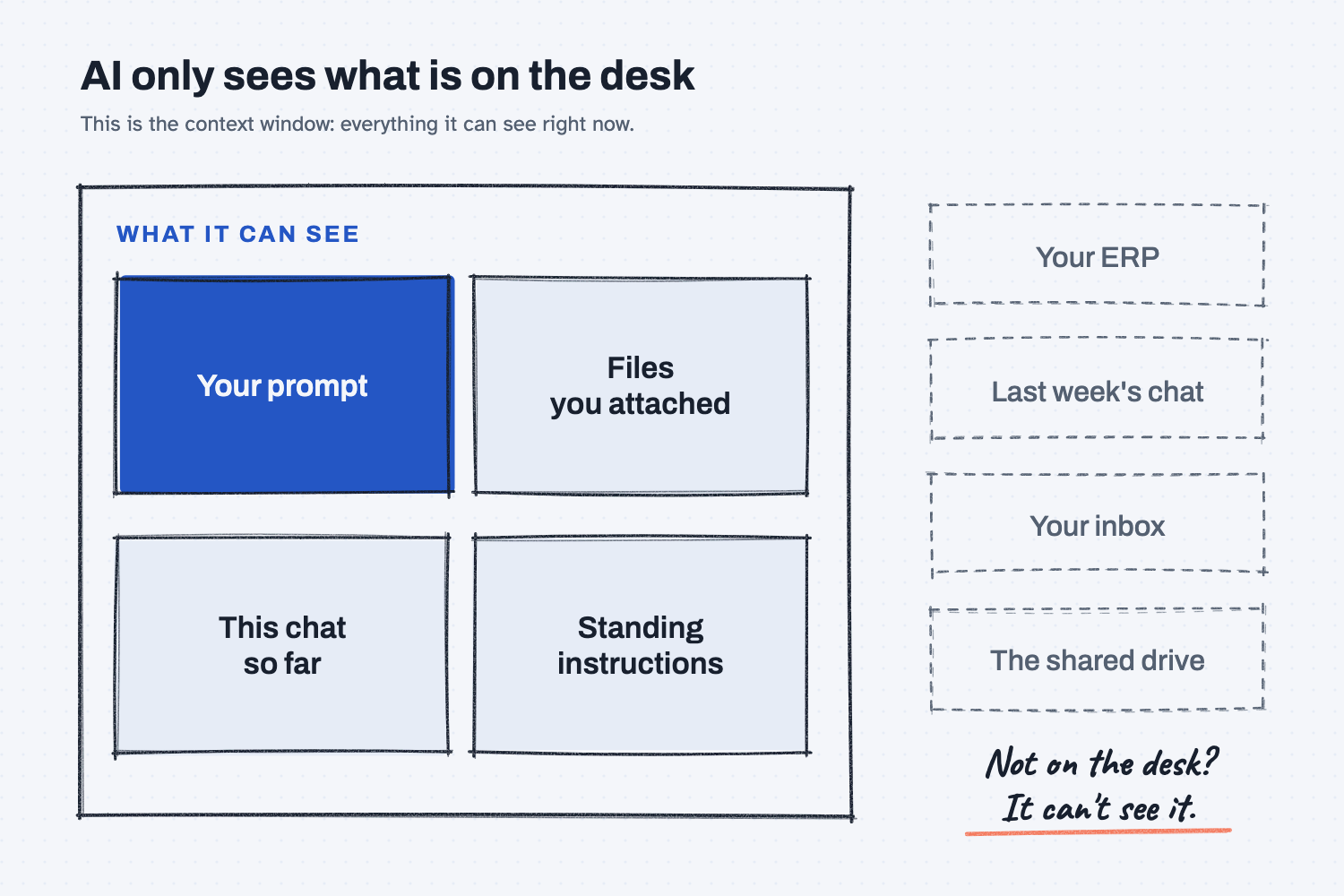
AI only sees what is on the desk
Why AI misses part of a long email thread, and a 2-minute test.
Want to put an idea to work? Browse the guides. New ideas by RSS feed.